
Thian Hock Keng Temple: A Journey Through Singapore’s History
Thian hock keng temple
TL;DR
Location : Thian Hock Keng Temple
Price Range : No Entrance Fee
Must Try : Free guide via QR Code
What We Didn’t Like : Need a tourist guide for a better experience
4 out of 5
INTRODUCTION

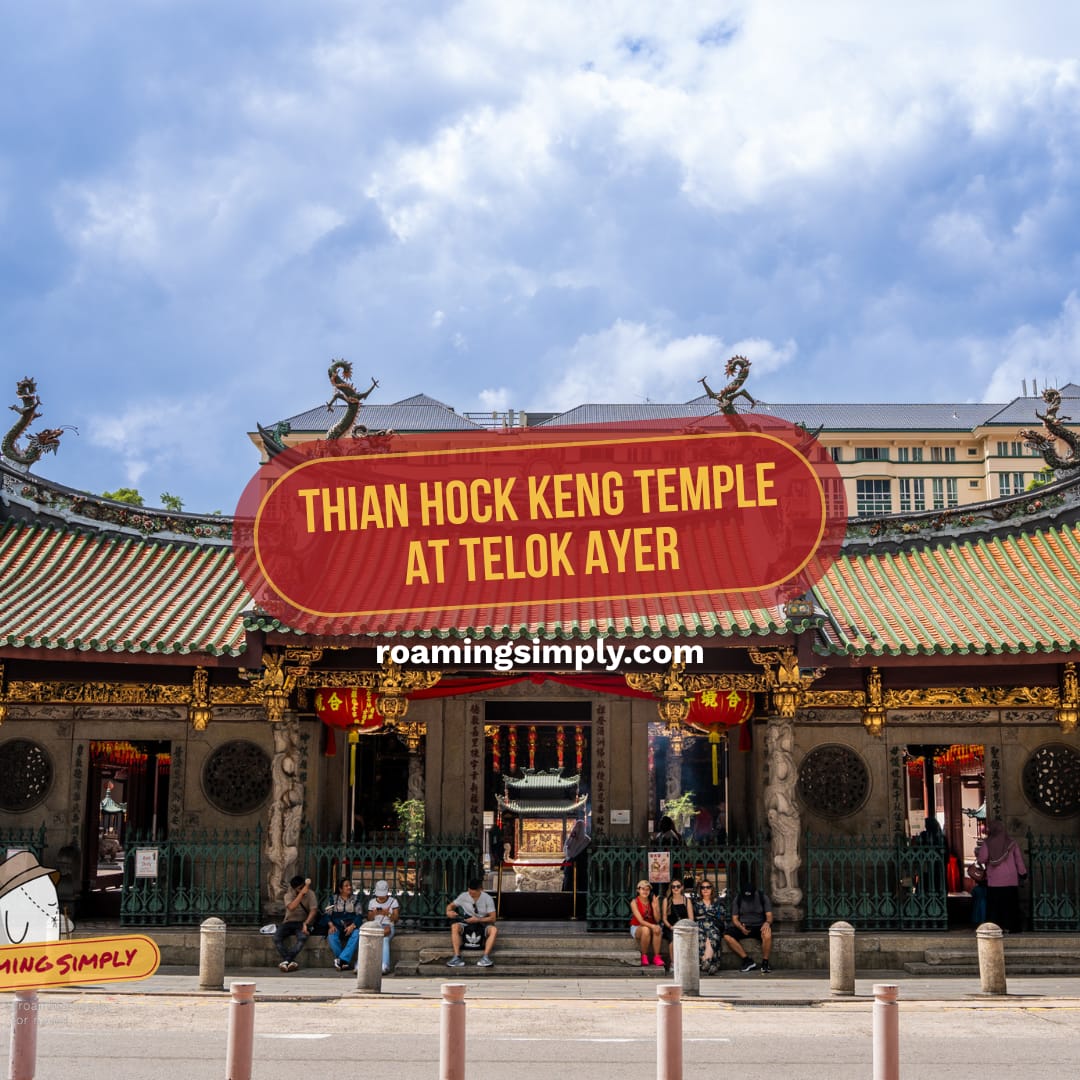
Nestled among the skyscrapers in Singapore lies temples that were built during the island’s earliest days. Thian Hock Keng, or the “Palace of Heavenly Happiness”, is hidden in the central business district of Singapore, representing the courage and faith of early immigrants.
If you are walking down Telok Ayer Street, the Thian Hock Keng Temple is impossible to miss. The intricate carvings and sweeping rooflines demand attention, inviting locals and tourists alike to step out of the modern city and into history. Whether you are an architecture enthusiast or a history buff, this national monument holds stories waiting to be discovered. Check out other site in our free guide!
The Origins of a Spiritual Sanctuary
You might wonder why Thian Hock Keng in the heart of modern Singapore. What many don’t realise is that much of today’s Central Business District was once the sea, long before land reclamation reshaped the island.
In the early 19th century, Chinese immigrants who survived the perilous journey across the South China Sea set foot on land where Thian Hock Keng temple now stands. Grateful for their safe passage, they established a small joss house in 1821 dedicated to Mazu, the goddess of the sea.
From Joss House to Grand Temple

As the immigrant community grew, so did their need for a more permanent spiritual home. The makeshift prayer house was no longer sufficient for the population. In 1839, a massive construction that’s largely funded by the community began. Prominent philanthropist Tan Tock Seng was a major donor, underscoring the project’s importance to the early settlers.
The temple was built with love and devotion. Materials such as timber, stones, and tiles, along with the statue of Mazu herself were shipped from China. Even the building materials carried a story. Some stones used for columns were originally ship ballasts. When the temple was completed in 1842, it cost an estimated 30,000 Spanish dollars, a fortune at the time.
The Birth of Hokkien Huay Kuan

The temple was never just a religious site. In 1840, the Hokkien Huay Kuan, a clan association serving the Hokkien community, was founded within the temple grounds. This created a space for not just prayer, but as a community hub where education, social support, and mediation took place.
An Architectural Masterpiece
Stepping through the gates of Thian Hock Keng is like stepping into a province of Southern China. The architecture style is distinctly traditional southern Chinese, specifically following the Fujian style. It is a rare visual treat in Southeast Asia, characterised by its curving roof ridges with wide eaves, designed to protect the intricate woodwork beneath from the tropical rain.
Dragons, Phoenixes, and Divine Guardians

Every inch of the temple is laden with symbolism. The roofs are adorned with colourful dragons and phoenix sculptures, creatures that represent power, auspiciousness, and balance. The entrance hall is guarded by traditional stone lions and Door Gods, standing watch to ward off evil spirits.
As you move deeper into the complex, you will notice the beams and brackets are gilded with gold and lacquered in red and black. The builders relied on complex mortise and tenon joints to hold the massive timber structures together.
A Melting Pot of Influences

While the design is overwhelmingly Chinese, keen observers will spot unique multicultural elements that reflect Singapore’s diverse history. The temple received support from the Indian community during its construction. In acknowledgement of this, a statue of an Indian man holding up a beam can be found in the right wing. Furthermore, the cast-iron railings at the front of the temple were imported from Glasgow, Scotland, blending Victorian industrial design with Asian spirituality.
Cultural Significance and Worship
At its core, Thian Hock Keng remains a sacred space. The main hall is dedicated to Mazu, the Protector of Sojourners. Devotees still flock here to pray for peace, protection, and good health. However, the temple is polytheistic, housing deities from Buddhism, Taoism, and Confucianism.
Behind the main altar lies a shrine dedicated to Guanyin, the Bodhisattva of Mercy. You will also find altars for the God of Medicine and Health (Baosheng Dadi) and Confucius. This inclusivity reflects the pragmatic and syncretic nature of Chinese folk religion, where multiple beliefs coexist harmoniously.
Festivals and Celebrations

The temple comes alive during major cultural festivals. During Chinese New Year, the courtyard is awash in red, filled with the scent of incense and the sound of prayer. Mazu’s birthday is another significant event, marked by elaborate rituals and wayang (traditional Chinese opera) performances.
The Verdict: why you should visit

Visiting Thian Hock Keng is an essential experience for anyone wanting to understand the roots of Singapore. It stands as a silent witness to the transformation of a sleepy fishing village into a global metropolis. It reminds us that behind commerce and concrete, there is a deep well of heritage and faith.
Whether you are there to admire the dragons and phoenix carvings, to light a joss stick for good luck, or simply to enjoy a moment of quiet reflection, the temple welcomes you.
Your Guide to Visiting Thian Hock Keng temple
ADDRESS : 158 Telok Ayer St, Singapore 068613
PHONE : +65 6423 4616
OPENING HOURS : Opens daily from 7:30am to 5pm
Pro Tips:
Plan Your Visit Today
Visit Thian Hock Keng Temple this weekend to marvel at its architecture and immerse yourself in the stories of Singapore’s pioneers. It is a journey back in time you will not soon forget.
Find your next adventure!
Stay updated with our recent articles and insights.
 Explore, Featured, Singapore
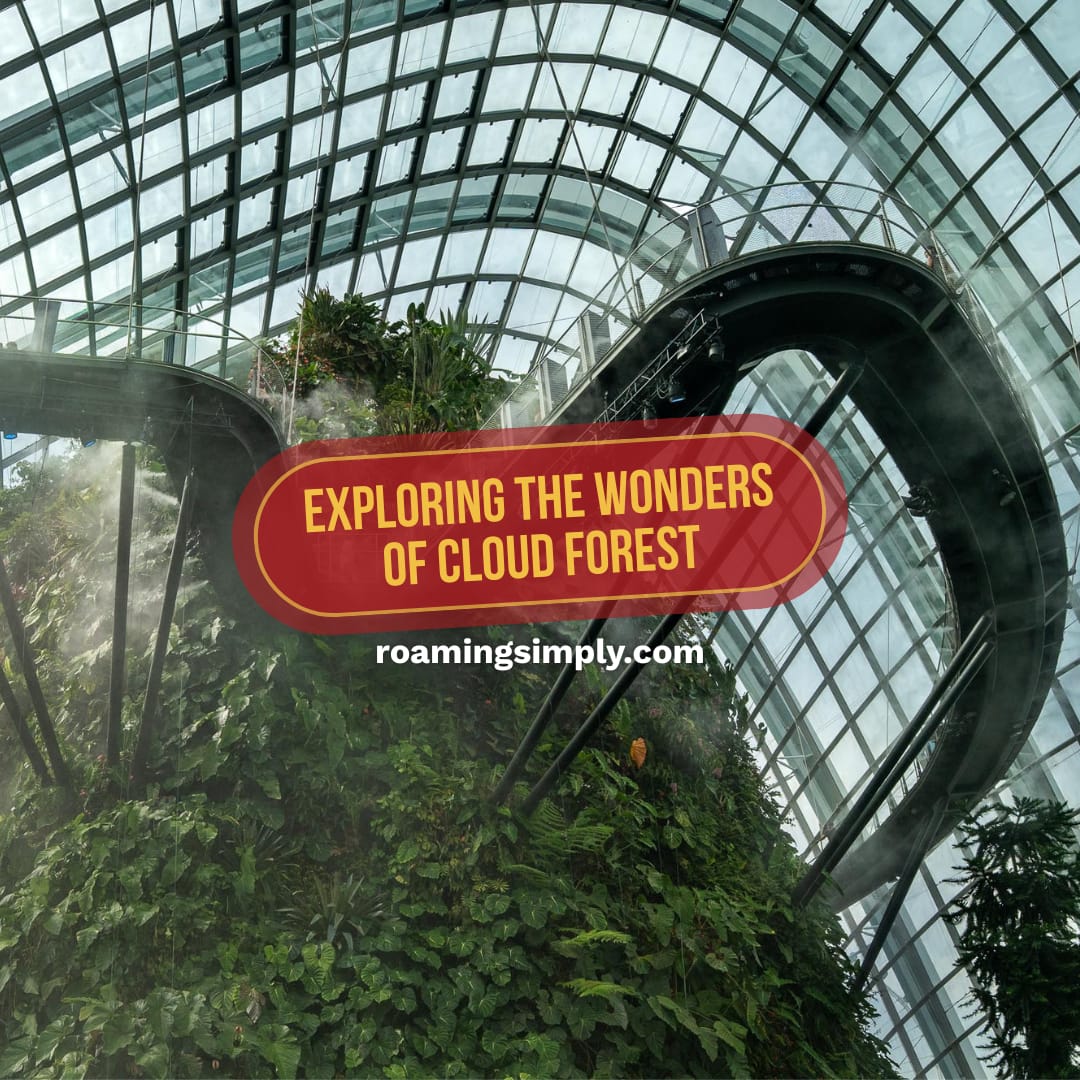
Exploring the Wonders of Gardens by the Bay Cloud Forest Singapore
 Eat, Singapore
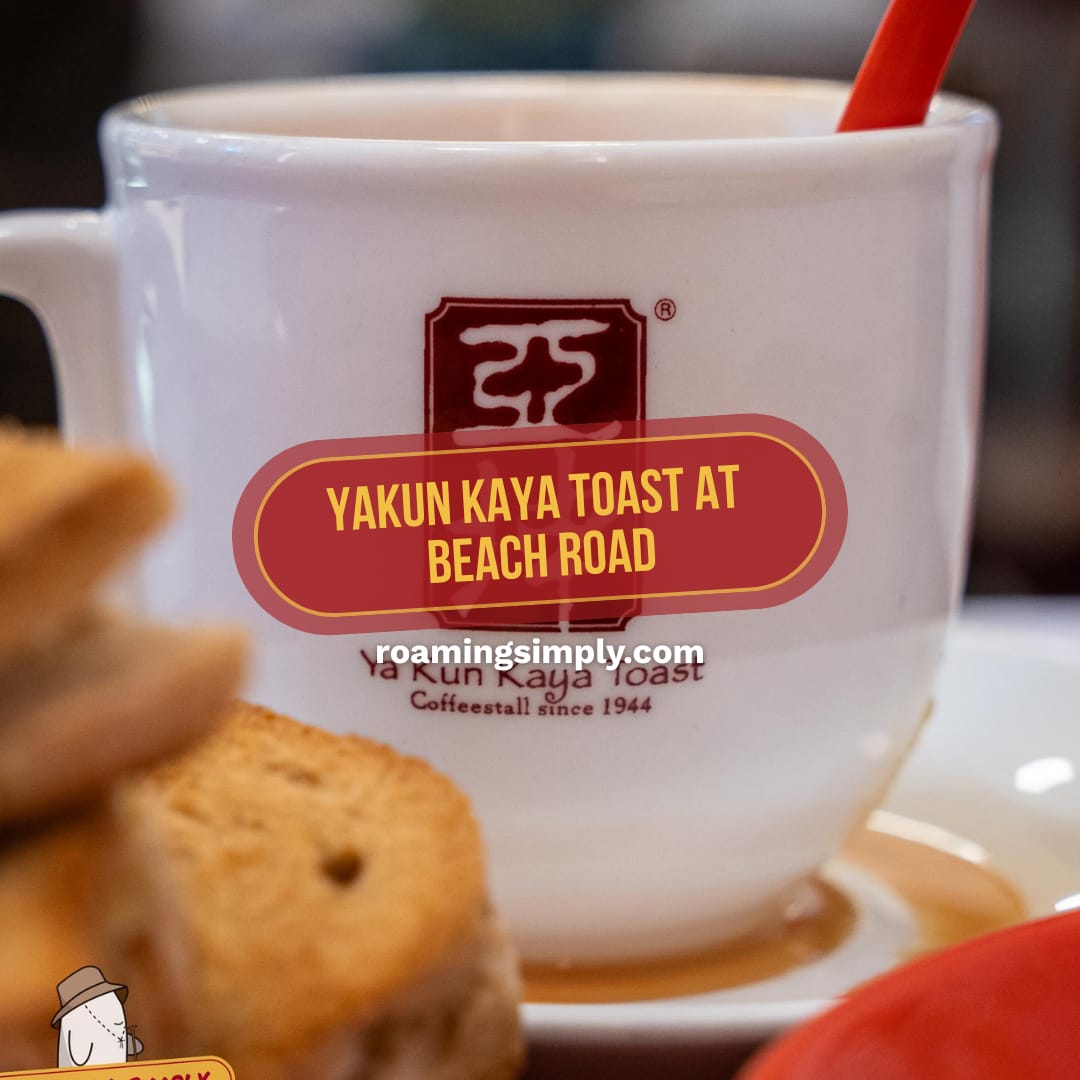
Ya Kun Kaya Toast Guide: How to Eat Breakfast Like a Local
 Eat, Singapore
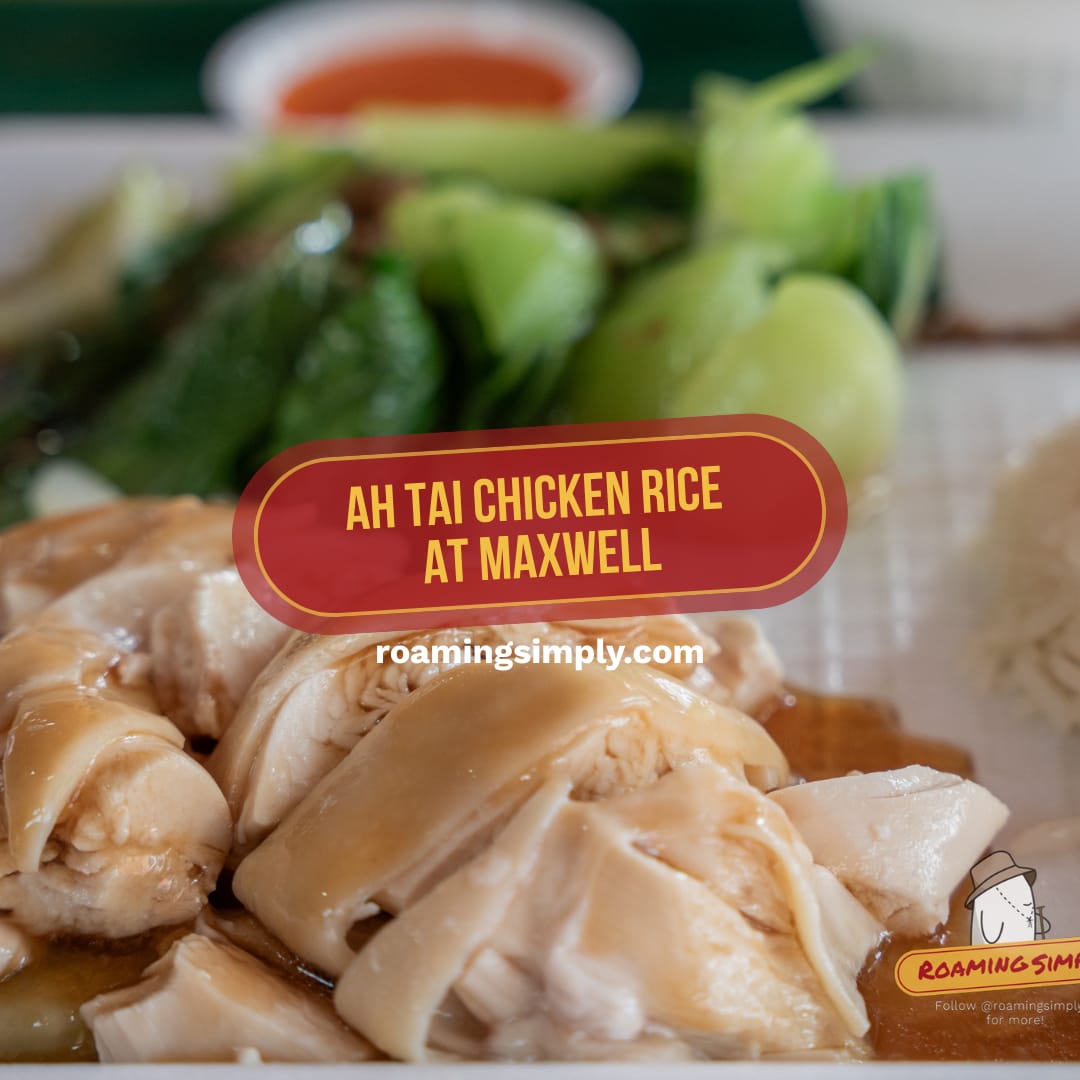
Discover the Secrets Behind Ah Tai Chicken Rice: A Culinary Journey in Singapore
 Explore, Featured, Singapore
Discover the Wonders of Gardens by the Bay Singapore: A Visitor’s Guide
 Explore, Singapore
Sultan Mosque: Discover the Heart of Kampong Glam
Explore, Featured, Singapore
Thian Hock Keng Temple: A Journey Through Singapore’s History
 Eat, Singapore
Discover A Noodle Story Amoy Street’s Michelin-Worthy Secrets
 Eat, Featured, Singapore
