
Singapore Essentials: The Complete Travel Guide
Master the basics of your trip with our Singapore travel essentials guide. Click through the tabs below to find expert advice on visa rules, transport hacks, and budgeting tips to ensure a seamless visit to the Lion City.
Singapore Arrival Process: Step-by-Step
Planning your trip to Singapore? Whether this is your first visit or you’re a seasoned traveler, navigating Singapore’s entry process is easy when you’re well-informed. This comprehensive guide walks you through everything you need to know for a smooth arrival and departure—from understanding Singapore visa requirements to what happens at Changi Airport, from streamlined departure procedures to important rules about prohibited and restricted items.
Explore each section below for trusted tips, up-to-date regulations, and practical advice—all based on official sources and created to help every visitor experience Singapore with confidence. Dive in and discover how simple it can be to enjoy the Lion City from the moment you land to your final farewell. Check out our travel guide as well which has other tips!
Entry Requirements for Tourists
For a hassle-free arrival experience, it’s essential to complete your singapore arrival card and have all necessary documents ready.
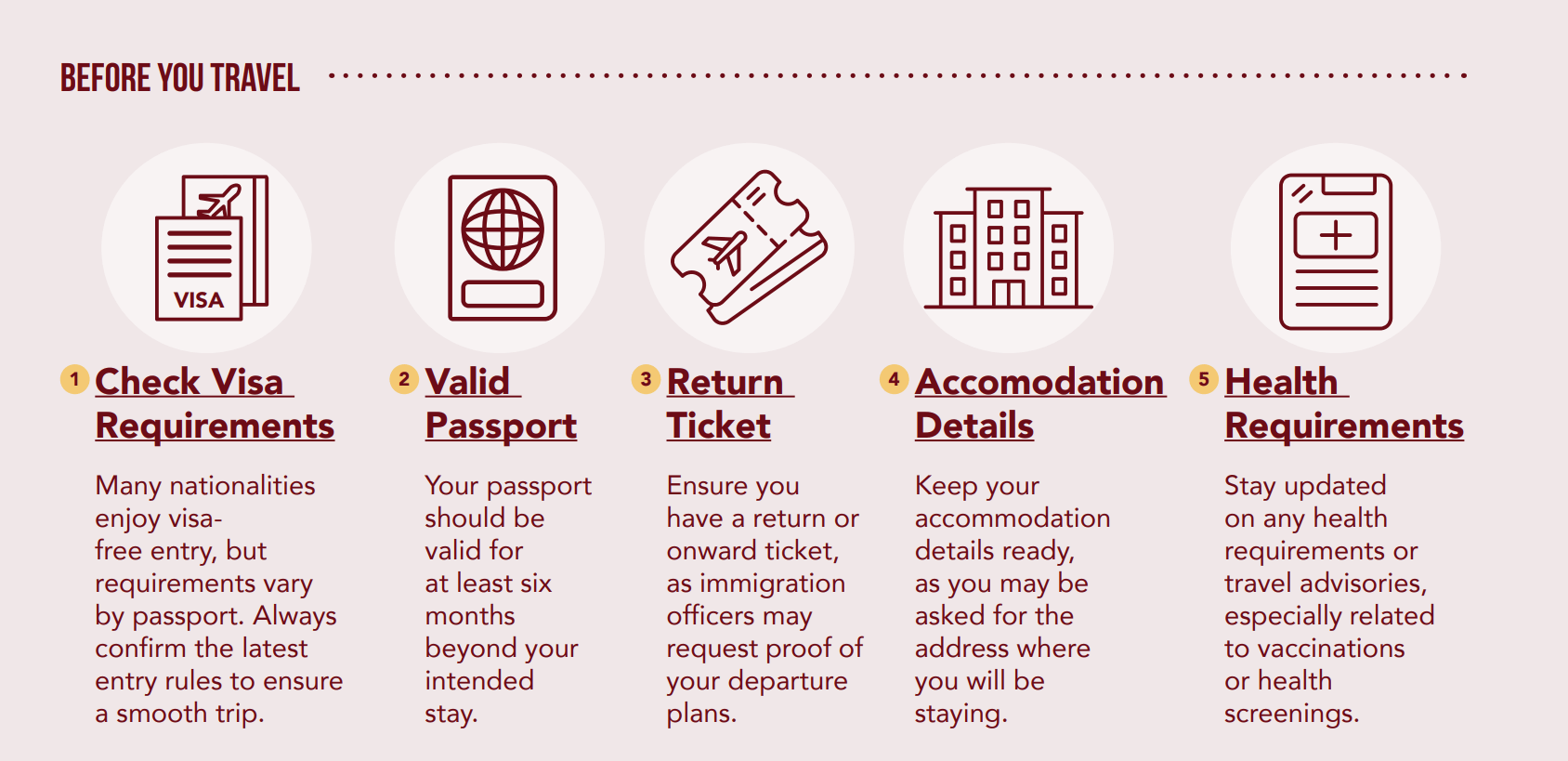
Check Visa Requirements
Many nationalities enjoy visa-free entry to Singapore, but requirements vary by passport. Always verify the latest visa and entry rules on the ICA (Immigration & Checkpoints Authority) website to ensure a trouble-free journey: Official ICA Visitor Entry Requirements. Don’t forget to submit your singapore arrival card beforehand.
Arriving at Changi Airport
Having your singapore arrival card ready will make your arrival at Changi Airport smoother.
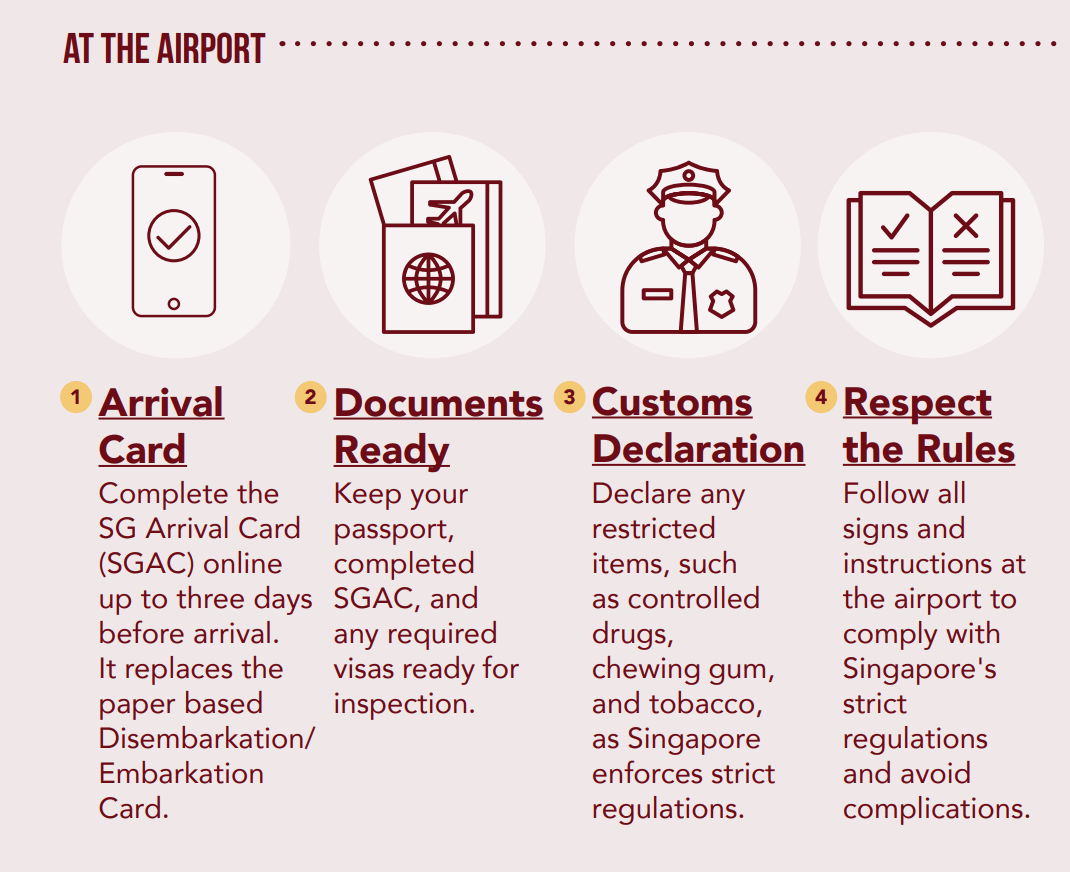
SG Arrival Card
Complete the SG Arrival Card (SGAC) online up to three days before arriving in Singapore. This electronic submission replaces the old Disembarkation/Embarkation Card and speeds up your entry process. Make sure to have the singapore arrival card completed for a smooth experience. Remember to keep a copy of your singapore arrival card for your records.
Prepare Necessary Documents
Keep your passport, completed SGAC, proof of visa (if required), and accommodation details ready for inspection.
Customs Declaration
Declare any restricted items (such as cash above SGD 20,000, medicines, or luxury goods). Singapore enforces strict regulations about what you can bring in. Customs Guide for Travelers.
Respect Local Laws & Conduct
Follow all signage and instructions. Singapore has a reputation for efficient, orderly, and friendly immigration procedures, but rules are strictly enforced.
Leaving Singapore: Departure Tips
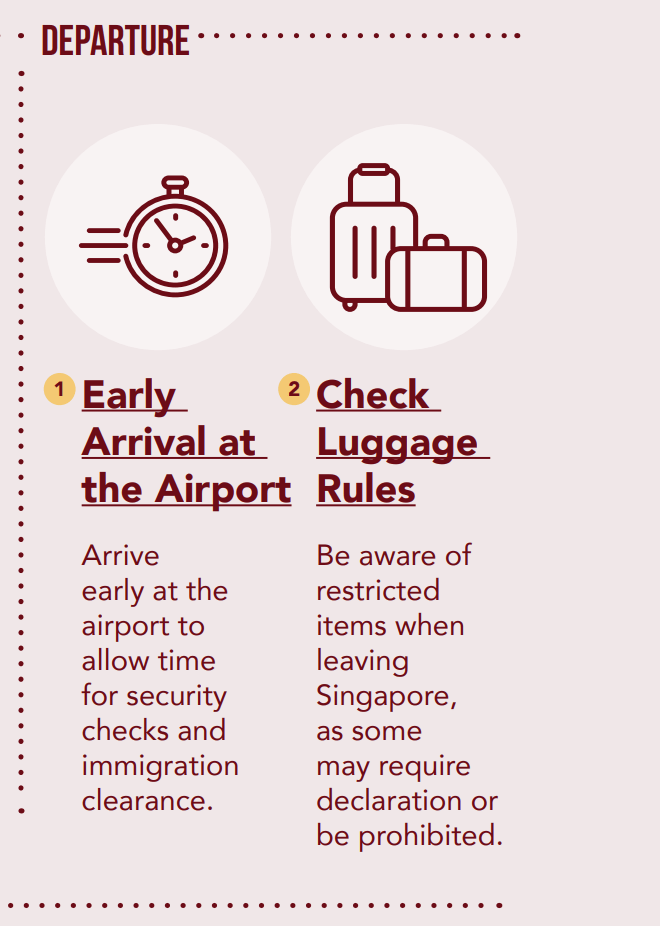
Arrive Early at the Airport
Arrive at least two hours before your scheduled departure, especially during peak periods, to allow for comprehensive security and immigration clearance.
Check Luggage Regulations
Be aware of airline and Singapore’s own restrictions on checked and carry-on luggage. Some items may be confiscated or require special declaration.
What NOT to Bring to Singapore
Ensure to carry your singapore arrival card and keep it accessible during customs checks.
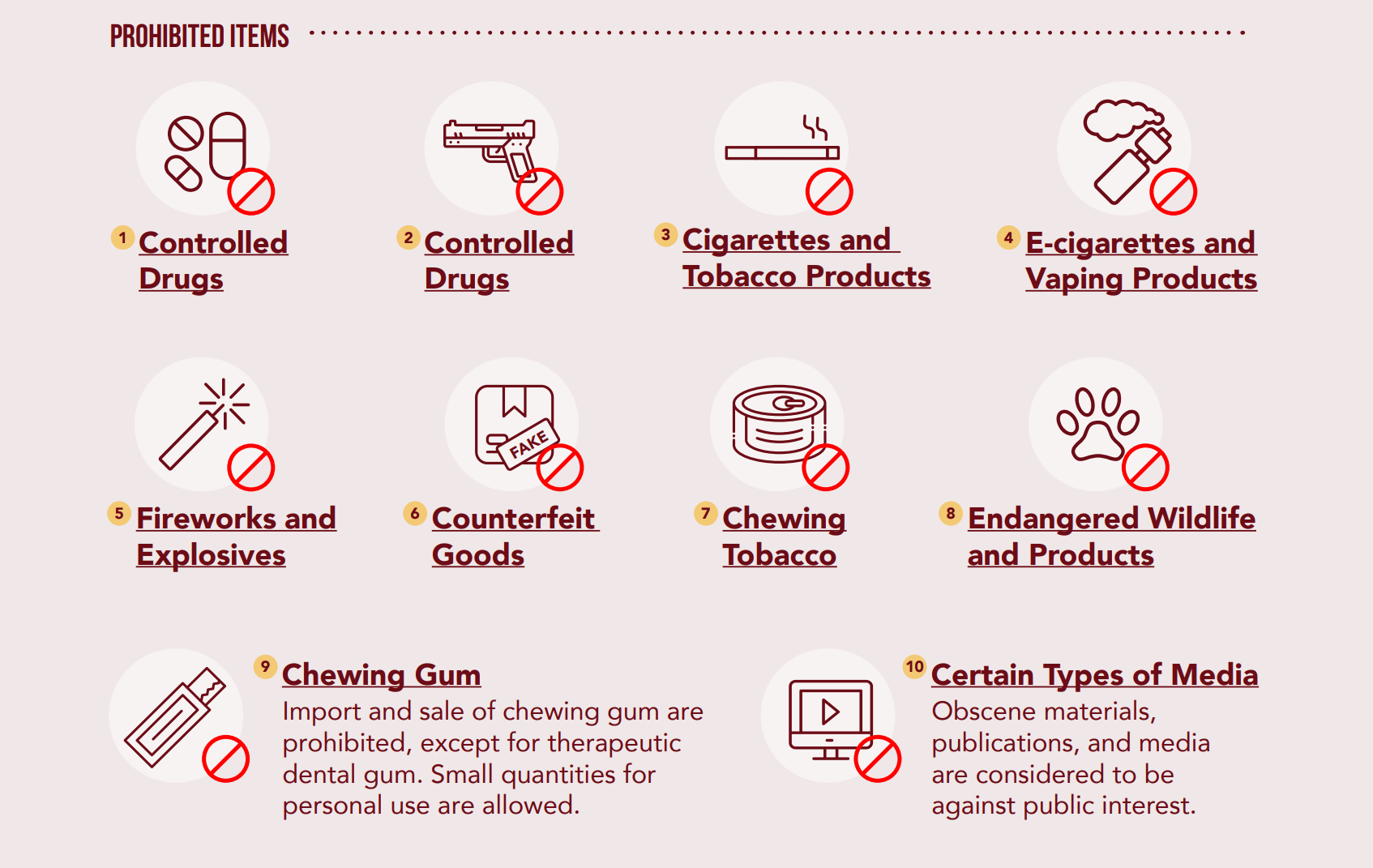
Singapore enforces strict bans on importing certain goods:
- Controlled Drugs: Includes narcotics and psychotropic substances.
- Firearms and Explosives
- Cigarettes, Tobacco Products, Chewing Tobacco
- E-cigarettes and Vaping Products
- Chewing Gum: Import and sale are banned except for approved medical gum. Small quantities for personal use may be permitted.
- Counterfeit Goods
- Endangered Wildlife & Related Products
- Certain Types of Media: Obscene materials or those against public interest.
- Fireworks
Review the full official list before you travel for the latest offenses and penalties:
Full List of Prohibited and Controlled Items (ICA).
FAQ
Most tourists do not need a visa for short stays in Singapore, but requirements vary by nationality. Check the ICA website for the latest entry rules.
What are the visa requirements for visiting Singapore?
Most tourists do not need a visa for short stays in Singapore, but requirements vary by nationality. Check the ICA website for the latest entry rules.
How long must my passport be valid to enter Singapore?
Your passport should be valid for at least six months beyond your planned departure from Singapore.
Do I need to complete any forms before arriving in Singapore?
Yes, you must submit the SG Arrival Card (SGAC) online within three days before arriving in Singapore. This is mandatory for all travelers.
Are there any health requirements for entering Singapore?
Travelers should check for updated health requirements such as required vaccinations or screenings on the ICA website.
What if I have a connecting flight in Singapore?
Transit passengers should still ensure they comply with Singaporean entry requirements and have completed all necessary documents, including the SG Arrival Card if required.
Best Time to Visit Singapore
Discover Singapore’s rhythm! Get expert, trusted insights into the best time to visit—by weather, events, deals, and unique local color. Plan your perfect Singapore adventure, season by season!
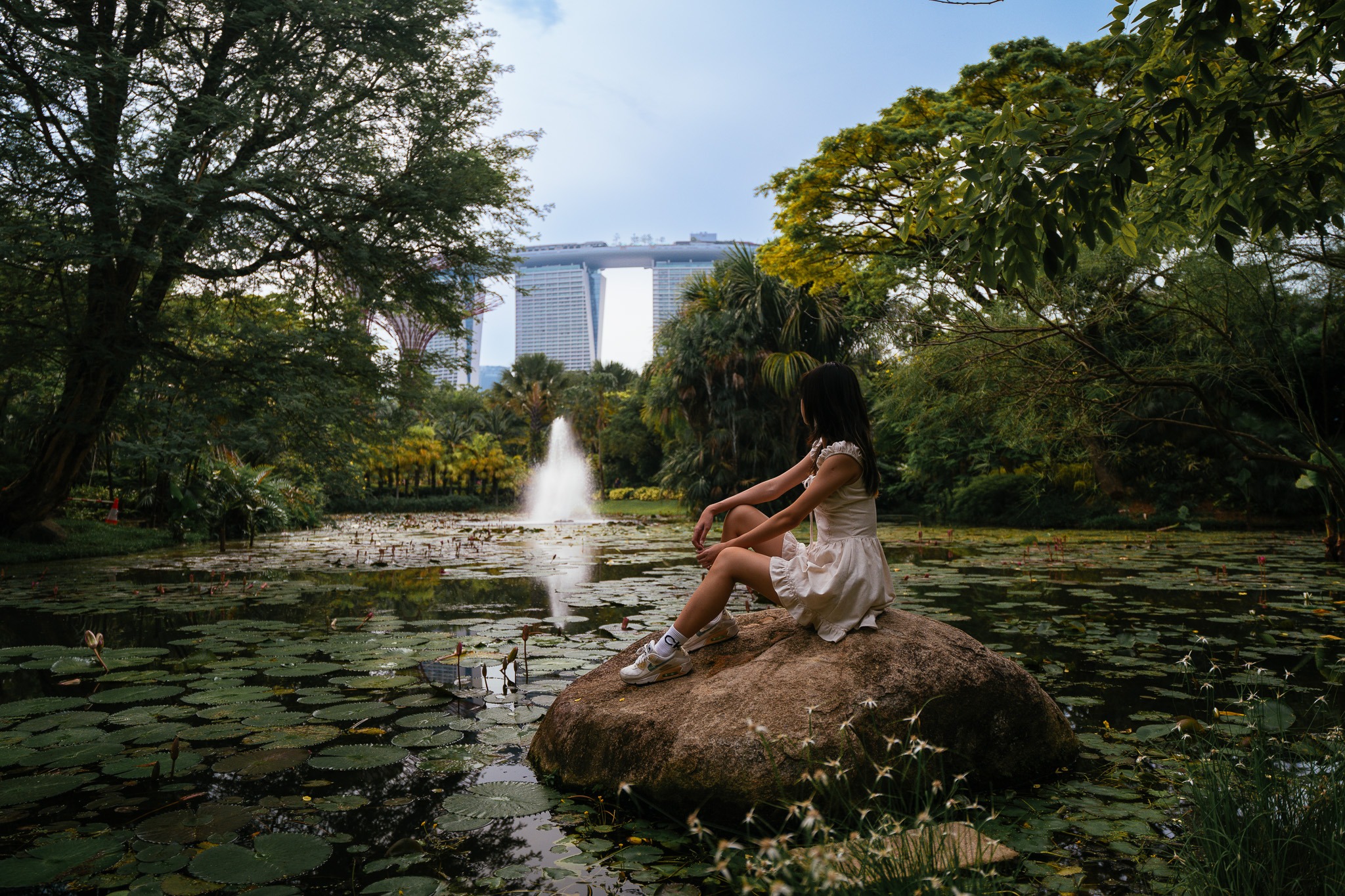
The Ultimate Guide to Singapore’s Travel Seasons
Discover Singapore’s rhythm! Get expert, trusted insights into the best time to visit—by weather, events, deals, and unique local color. Plan your perfect Singapore adventure, season by season!
| Season | Weather | Crowds | Typical Prices | Standout Events | Ideal For |
|---|---|---|---|---|---|
| Oct-Feb (Peak) | Wettest, Cooler | High | $$$ | Christmas, Chinese New Year, Thaipusam, Formula 1 | Festivals & Nightlife |
| Mar–May (Shoulder) | Warm, Humid | Moderate | $$ | Arts Fest, Vesak, Hari Raya | Culture & Relaxed Exploring |
| Jun–Sept (Off-Peak) | Hottest, Drier | Low | $ | Great Singapore Sale, National Day, Deepavali, Food Fest | Deals & Local Treasures |
Why Singapore is a Year-Round Destination
Singapore’s tropical climate makes it a place of endless energy and color. Every month, spectacular festivals, world-class Food, and iconic attractions combine for a one-of-a-kind travel experience—rain or shine! The secret? Match your visit to your travel style. Here’s how:
- Weather: Showers, slightly cooler
- Why Visit: City transforms for Christmas, New Year’s Eve, Chinese New Year with dazzling displays.
- Crowds: High—book early for best rates and seats.
- Top Experiences: Orchard Road Christmas Light-up, Chinese New Year in Chinatown, Thaipusam Festival, Formula 1
Experience Marina Bay’s NYE fireworks or join locals for festive street food!
- Weather: Warm, humid, sporadic rainfall.
- Why Visit: Quieter streets; perfect for exploring culture, museums, and popular attractions.
- Crowds: Manageable; flexible bookings possible.
- Top Experiences: Singapore International Festival of Arts, Vesak Day ceremonies, Hari Raya Puasa celebrations
Pack light clothes and start your days early. Enjoy authentic local cuisine at hawker centers before lunchtime crowds.
- Weather: Hottest, drier (but humid!)
- Why Visit: Deep deals, shorter waits at attractions, and unique celebrations. With fireworks on the National Day weekends!
- Crowds: Lowest—great value for flights, hotels, and shopping.
- Can’t-Miss Events: Singapore Sale, National Day Parade, Singapore Food Festival, Deepavali in Little India
Take breaks at air-conditioned malls; maximize evening strolls along the Marina Bay.
Find Out What’s On in Singapore
Singapore’s event calendar is always packed! From stunning light shows to vibrant cultural festivals and world-class concerts, there’s always something happening.
FAQ
What is the absolute cheapest time to visit Singapore?
June through November, when crowds are lowest and deals abound.
Can I enjoy festivals if I visit during off-peak?
Absolutely! Each season boasts distinct celebrations—see our event guide above.
Is Singapore still fun during rainy months?
Yes! Most attractions are indoors, and rainy evenings make for stunning gardens and cityscapes.
Budgeting for Your Trip to Singapore
Singapore has a well-earned reputation for being one of the pricier cities in the world. But here’s the good news: that reputation is built on its luxury hotels and fine-dining scene, not the everyday experience.
As a traveler, you have complete control. You can choose between budget, mid-range, and luxury experiences. It’s entirely possible to enjoy Singapore’s incredible food and stunning attractions without draining your bank account. This guide is here to help you decide exactly how much to set aside per day and show you what that budget actually gets you.
How Much to Budget Per Day in Singapore?
| Travel Style | Daily Budget | Typical Experience |
|---|---|---|
| Budget | $50 -$100 | Hostels, hawker meals, Free attractions |
| Mid-Range | $100–$500 | Boutique hotels, mix of hawker & restaurants |
| Luxury | $500+ | 5-star stays, fine dining, premium experiences |
Budget Traveler: 50–100 USD Per Day
Accommodation
Your best options are dorm beds in hostels or simple one- to two-star hotels. Look in vibrant neighbourhoods like Bugis, Little India, or Geylang for the best rates. Expect clean, compact rooms or dorm beds—perfect if you plan to spend most of your time exploring.
Meals
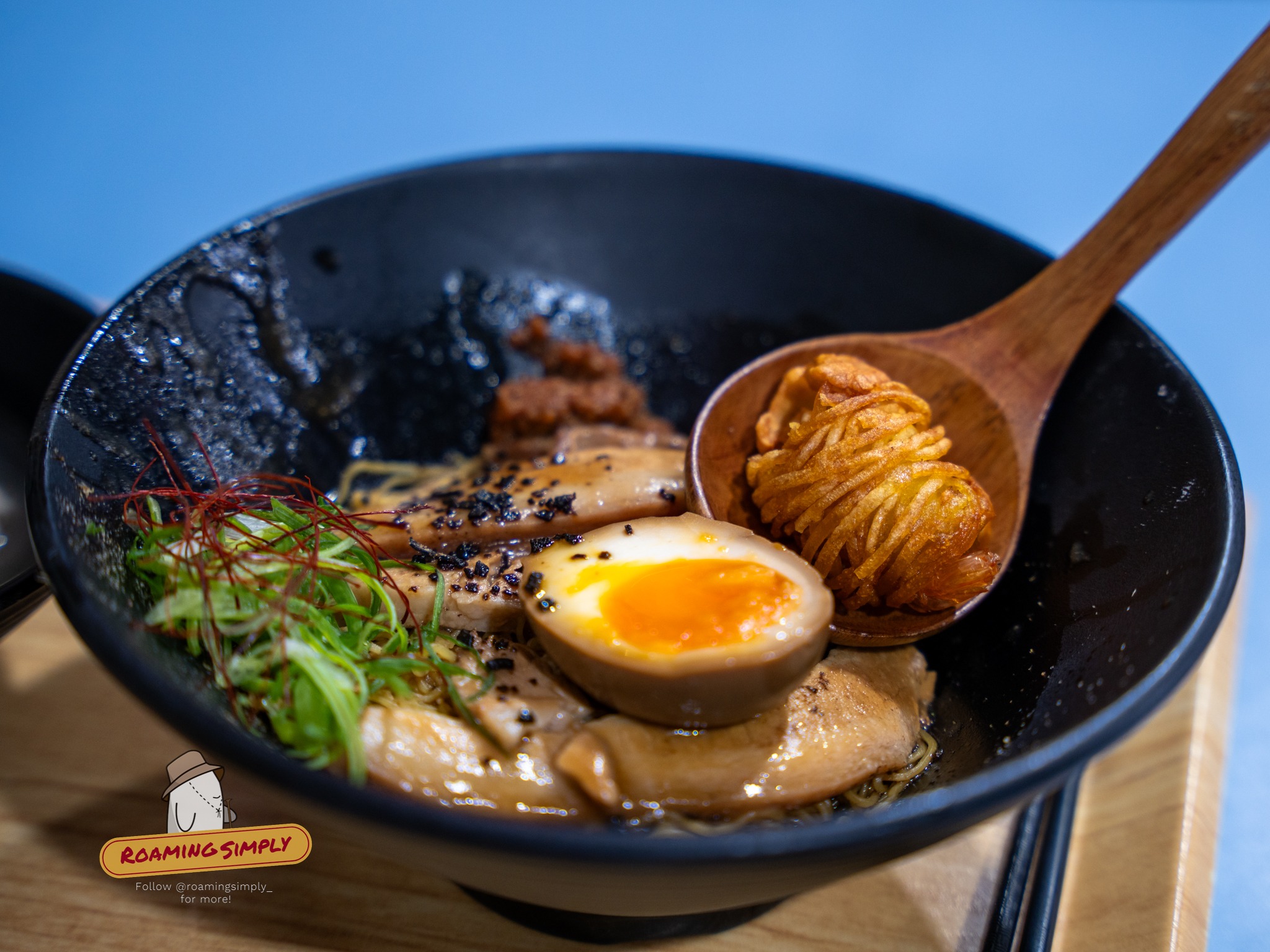
This is where Singapore shines for budget travelers. Stick to the legendary hawker centres, food courts, and old-school cafés (kopitiams). A delicious, filling meal like chicken rice or laksa can easily be found for $4–$8 USD.
Food Highlights
Discover Singapore’s authentic heritage through essential dishes like Hainanese chicken rice, laksa, roti prata, and mee pok. These staples provide a trustworthy and educational introduction to the diverse flavors found within the city’s vibrant hawker centres.
Attractions
Many of Singapore’s best sights are free! Spend your days exploring the Gardens by the Bay (the outdoor Supertree Grove is free), walking the Helix Bridge, visiting Merlion Park, and wandering the vast Singapore Botanic Gardens (a UNESCO World Heritage site). The ethnic districts of Chinatown, Little India, and Kampong Glam are also fantastic for free sightseeing. Use the affordable public transport to go around!
RoamingSimply Tip: Use an EZ-Link or contactless card for the MRT and buses. It saves money on every trip and helps you avoid taxi surcharges, which can add up quickly.
Comfort & Convenience: 100–500 USD Per Day

Accommodation
This budget unlocks comfortable mid-range or boutique hotels, especially around Bugis, Clarke Quay, and Chinatown. You can expect a private room, stylish decor, and amenities like a swimming pool or small gym.
Meals
Enjoy the best of both worlds. Have your budget-friendly hawker favourites for lunch, then splurge a little on a mid-range restaurant or trendy café for dinner. A meal at a casual restaurant might cost $20–$40 USD per person.
Food Highlights
Explore popular local chains, try a full dim sum lunch, or enjoy a craft beer at a bar along the waterfront. This budget allows for more sit-down dining experiences.
Attractions
Mix free activities with Singapore’s signature paid attractions. This budget comfortably covers tickets for the Cloud Forest & Flower Dome, the Singapore Flyer, a day trip to Sentosa, or entry to the National Gallery and other museums.
RoamingSimply Tip: Consider combo tickets or multi-attraction passes if you plan to visit several key sights. They often add up to real savings compared to buying at the gate.
Premium & Luxury: 500+ USD Per Day

Accommodation
This budget is for five-star hotels and iconic properties. Think stunning bayfront views, heritage colonial-style hotels, and world-class service.
Meals
The sky’s the limit. Indulge in Michelin-starred restaurants, celebrity chef tasting menus, and cocktails at exclusive rooftop bars overlooking the city.
Food Highlights
Experience high-end modern Singaporean cuisine, enjoy elaborate champagne brunches, or sip a Singapore Sling at a legendary hotel bar.
Attractions
Focus on premium, exclusive experiences. Book a fine-dining cruise, charter a private yacht for a sunset sail, get premium seats at a show, enjoy a luxurious spa day, or arrange exclusive private tours.
RoamingSimply Tip: Consider booking a private MPV charter, often available for around $70 per hour, for ultimate comfort and ease when traveling around Singapore.
Compare Singapore Travel Budgets at a Glance
| Travel Style | Daily Budget | Typical Experience |
|---|---|---|
| Budget | $50 -$100 | Hostels, hawker meals, Free attractions |
| Mid-Range | $100–$500 | Boutique hotels, mix of hawker & restaurants |
| Luxury | $500+ | 5-star stays, fine dining, premium experiences |
Smart Ways to Save Money in Singapore
- Use MRT and Buses. Singapore’s public transport is clean, efficient, and affordable. It’s almost always a better choice than taxis or ride-sharing apps.
- Eat at hawker centres. This is the number one tip. You get authentic, world-class local food for a fraction of the price of a restaurant.
- Choose a central neighbourhood that’s close to your main plans (like Bugis or Chinatown) to reduce time and money spent on commuting.
- Look for lunchtime deals. Many upscale restaurants offer set lunch menus on weekdays that are much cheaper than their dinner service.
- Plan free attractions (gardens, neighbourhood walks, temples) between your paid ones to balance your daily spending.
Budgeting FAQ: Singapore Travel Costs
How much should I budget per day in Singapore as a backpacker?
As a backpacker, a good target is $50–$70 USD per day. This assumes you’re staying in a hostel dorm, eating exclusively at hawker centres, using public transport, and focusing on free attractions.
Is 100 USD a day enough in Singapore?
Yes, $100 USD a day is a comfortable budget. It allows you to stay in a private room at a budget hotel or a dorm in a high-end hostel, eat a mix of hawker and casual restaurant meals, and visit one or two paid attractions per day.
How much cash do I need vs. card?
Singapore is very card-friendly. You can use a credit card (especially contactless) almost everywhere, including on public transport. However, you will need some cash for hawker centres, as many smaller stalls do not accept cards.
Is Singapore possible on a tight budget?
Absolutely. While it’s not the cheapest country in Southeast Asia, the abundance of world-class, affordable food at hawker centres and the excellent, cheap public transport make it very manageable on a tight budget. Accommodation will be the biggest challenge!
Overview of Singapore’s Transport
Welcome to Singapore, home to one of the most efficient, clean, and affordable public transport systems in the world. Getting around the “Little Red Dot” is incredibly straightforward, whether you’re a first-time tourist or a seasoned visitor. The network is a tightly integrated system of the MRT (subway), public buses, and taxis/ride-hailing services. Add to that a growing network of cycling paths, and you have an island that’s a breeze to explore. This guide will break down every option to help you travel like a local.
Mass Rapid Transit (MRT) Guide For Tourist
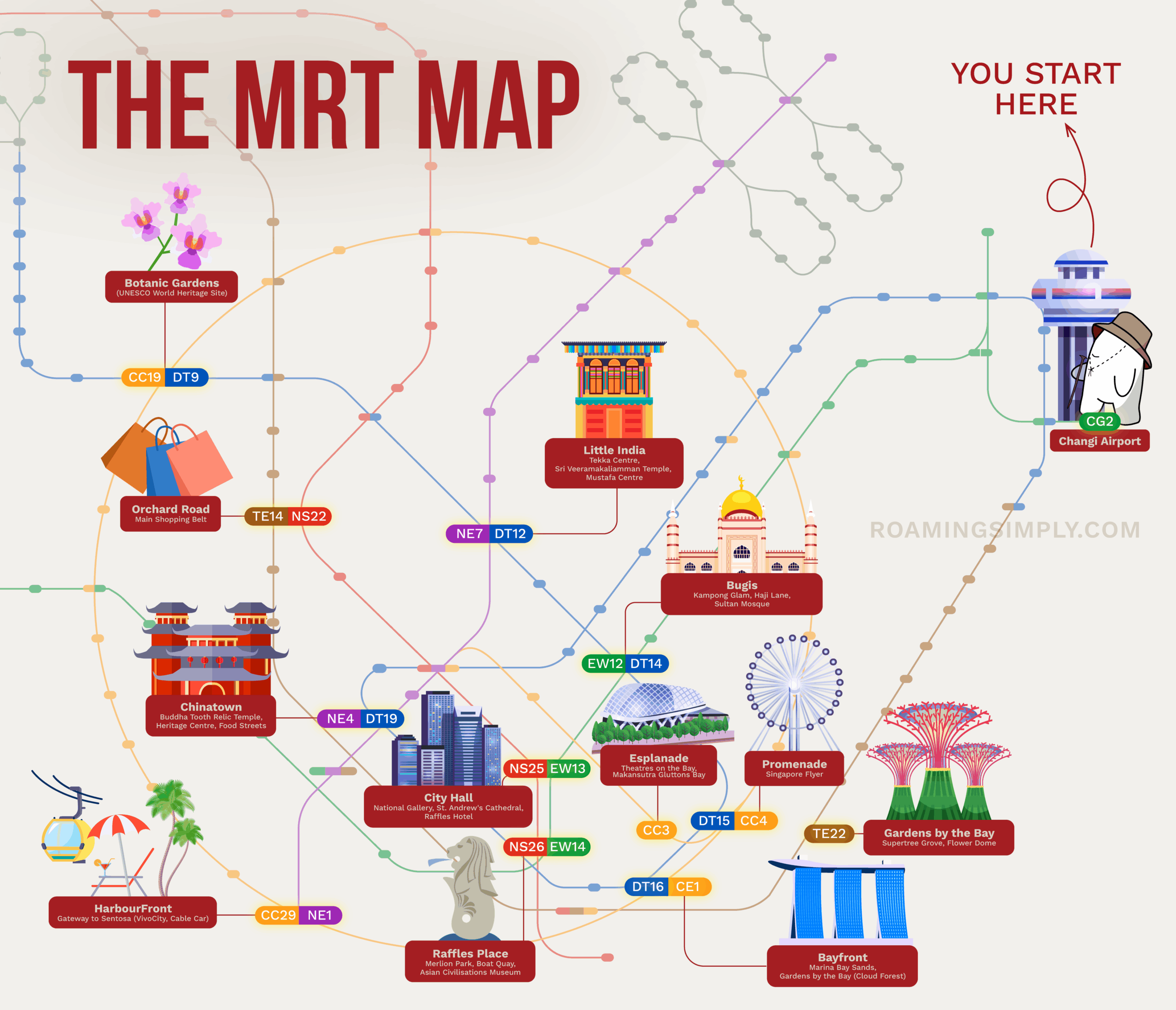
Rail Network & places of interest
The system consists of six lines, each color-coded for easy navigation:
North-South Line (Red): Connects central shopping (Orchard) to the northern heartlands.
East-West Line (Green): Runs from Changi Airport to the western parts of the island, passing through the city center.
North-East Line (Purple): Connects hubs like Little India, Chinatown, and HarbourFront (for Sentosa).
Circle Line (Orange): Orbits the city, connecting many interchange stations and attractions like the Botanic Gardens.
Downtown Line (Blue): A newer line that serves key downtown areas and neighborhoods like Bugis.
Thomson-East Coast Line (Brown): The newest line with a stop just beside Garden’s by the bay
Local Tip!
A great way to save cost is by using the MRT during the pre-peak hours. According to the fare regulations, taking the MRT between 5:30 AM and 7:45 AM can be more economical due to lower fares.
Download Google Maps or Citymapper. They tell you exactly which station exit to take, which is crucial in huge stations!
Public Bus Network
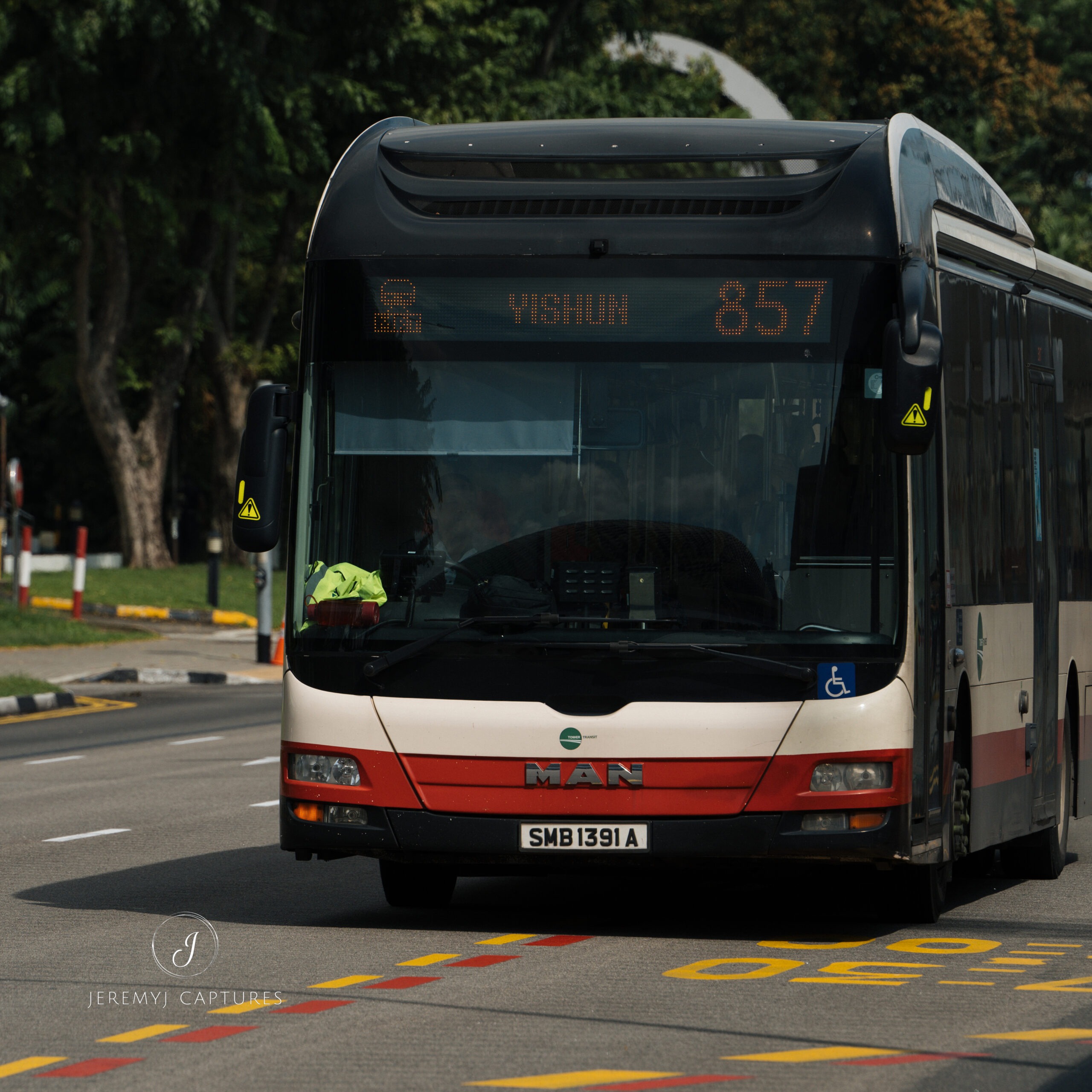
Buses go where trains don’t. They are clean, cool, and offer great views from the upper deck. You must plan your route first and we will show you how later!
Bus Service Types (Fares Vary)
Regular (Trunk/Feeder)
The bread-and-butter buses. Connect every neighbourhood and run from 5:30am to midnight.
Express/Premium
Faster routes with fewer stops, ideal for longer commutes. Higher fares but significant time savings.
Remember these tips!
Local Tip!
Download the MyTransport app (iOS | Android) for handy information on train operating times, station exits, public bus services and bus arrival times.
Operating Hours & Frequency
Hours: Generally 5:30 AM to Midnight. Some night services run on weekends.
Frequency: Highly variable. Expect 5-15 minute waits on major routes, and longer waits (20-30 minutes) on smaller feeder routes. Always check your app!
Taxi & Ride Hailing
The 3 Ways to Catch a Ride:
- 1. App Booking (Best): Shows price upfront. Use Grab, Gojek, or CDG Zig.
- 2. Taxi Stands: Crucial Rule! In the CBD (City) and at Malls, you CANNOT flag a taxi on the street. You must queue at a designated taxi stand.
- 3. Flagging: You can only flag a taxi on the street outside the CBD and outside bus stop zones. Look for a green “TAXI” sign on the roof.
Typical Fare Estimates
Airport to City : $25 – $40
City Short Trip (10 mins) : $12 – $18
Cross Island (30 mins) : $25 – $35
*Excludes peak hour/midnight surcharges.
Surcharge Cheat Sheet
Midnight (12am – 6am) : +50% of meter
Peak Hours (Morning/Eve) : +25% of meter
Airport Pickup : +$3 to $8
City Area (CBD) : +$3 surcharge
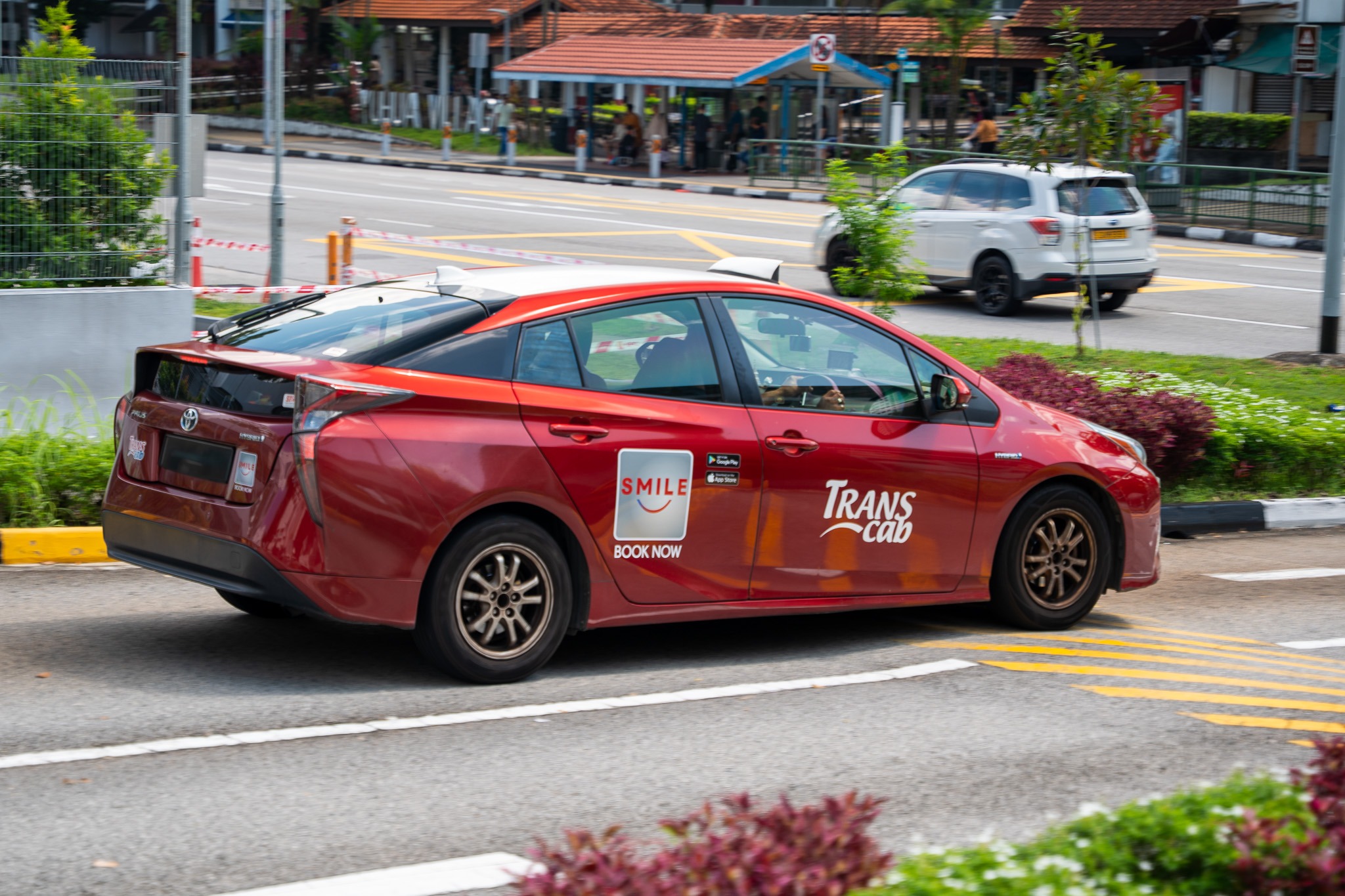

Best for: Availability & ease. Largest fleet, fastest pickup times, but can be pricey during rain/peak hours. Also offers food delivery.

Best for: Street-Hailing. Street-hail refers to rides flagged down on the street or at taxi stands. Only taxis can do this.

Best for: Peak hours. Takes zero commission from drivers, resulting in lower fares during surges. Popular with locals for fair pricing.

Best for: Price comparison. Often cheaper than Grab for non-peak rides. Fleet is smaller, so wait times are slightly longer.
Local Tip!
Paying by Credit Card inside a taxi incurs a 10% admin fee. Paying cash avoids this.
(Note: Apps like Grab/Gojek usually include card fees in the fixed price, so paying via App is often better).
Bicycle Sharing
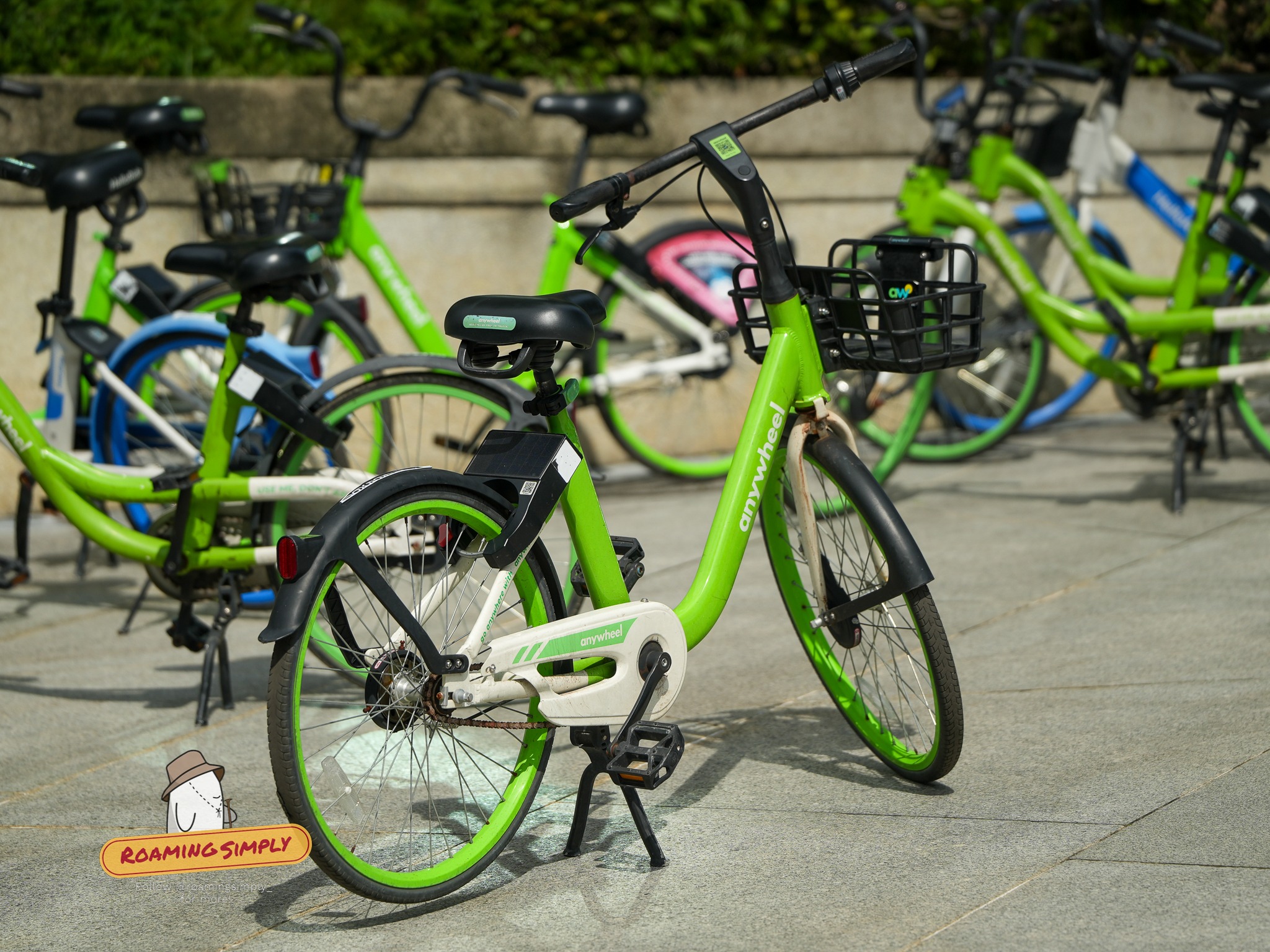
For those “last-mile” journeys or a scenic ride along the waterfront, bicycle sharing is a fantastic, eco-friendly way to see the city. Unlike traditional rentals, these bikes are dockless—you can pick one up near an MRT station and drop it off at a designated parking zone near your destination
How it Works for Tourists:
Download the Apps: The two main operators are Anywheel (green bikes) and HelloRide (blue bikes).
Easy Access: Simply download the app, register with your mobile number, and link a payment method (credit cards or Apple/Google Pay are accepted).
Affordable: Most rides start at around $1 per 30 minutes, making it one of the cheapest ways to get around.
Parking Rules: To end your trip, you must park the bike within a designated yellow-box parking zone (marked with a ‘P’ in the app) and scan the parking QR code to avoid a small fine.


Payment Methods
Forget buying tickets. Singapore uses a contactless system.
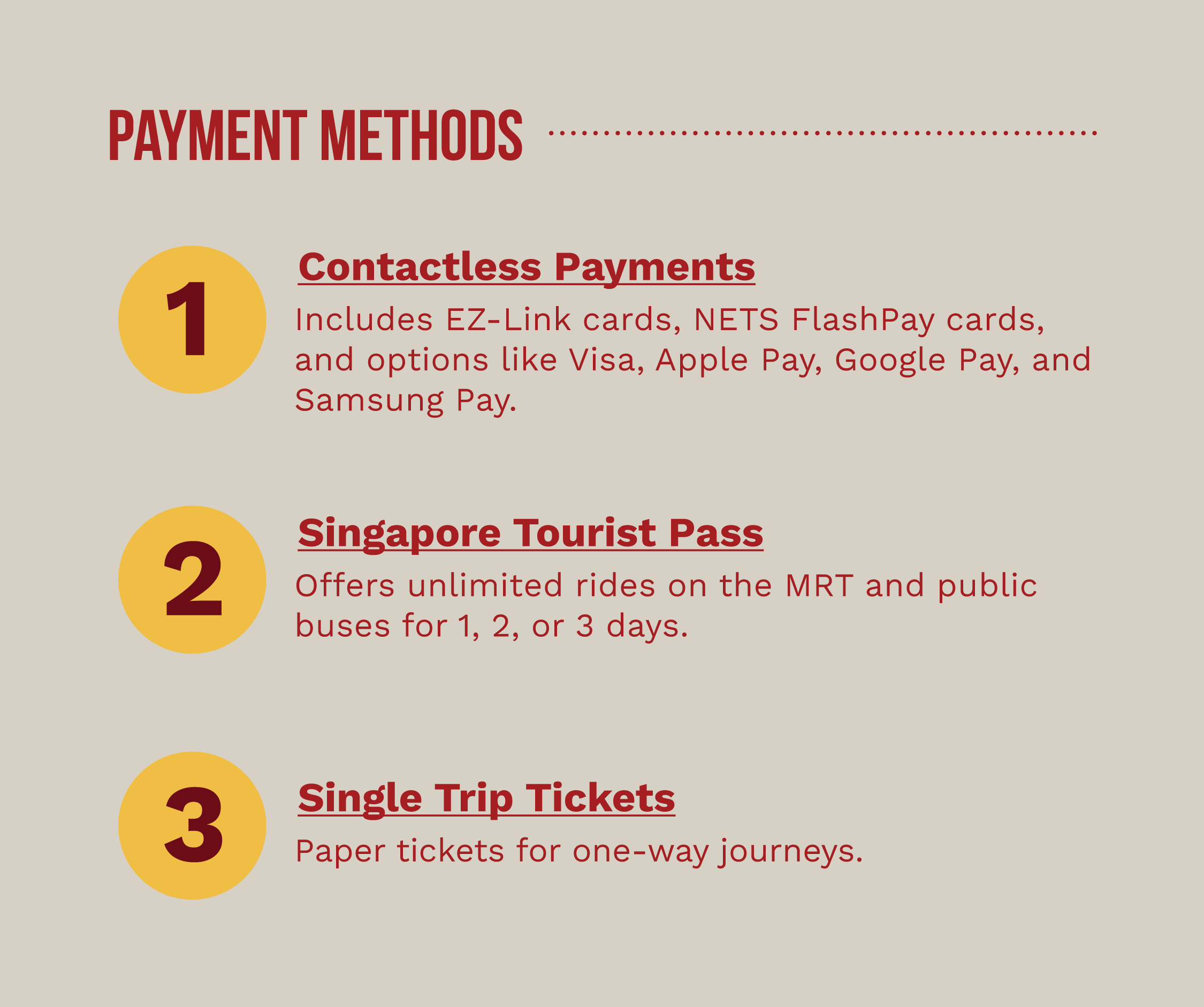
• No setup required
• Admin fees may apply (check bank)
• Tap in and Tap out with SAME card
• Fixed cost (~$20/day)
• Great souvenir card
• Worth it if taking >5 trips/day
• Cost $10 ($5 is non-refundable)
• Must top-up manually
• Lower admin fees than foreign cards