
Sultan Mosque: Discover the Heart of Kampong Glam
Masjid sultan singapore
TL;DR
Location : Sultan Mosque
Price Range : Free Entrance
Our Favourites : Free guided tours
4 out of 5
Not the Skyline Singapore Advertises
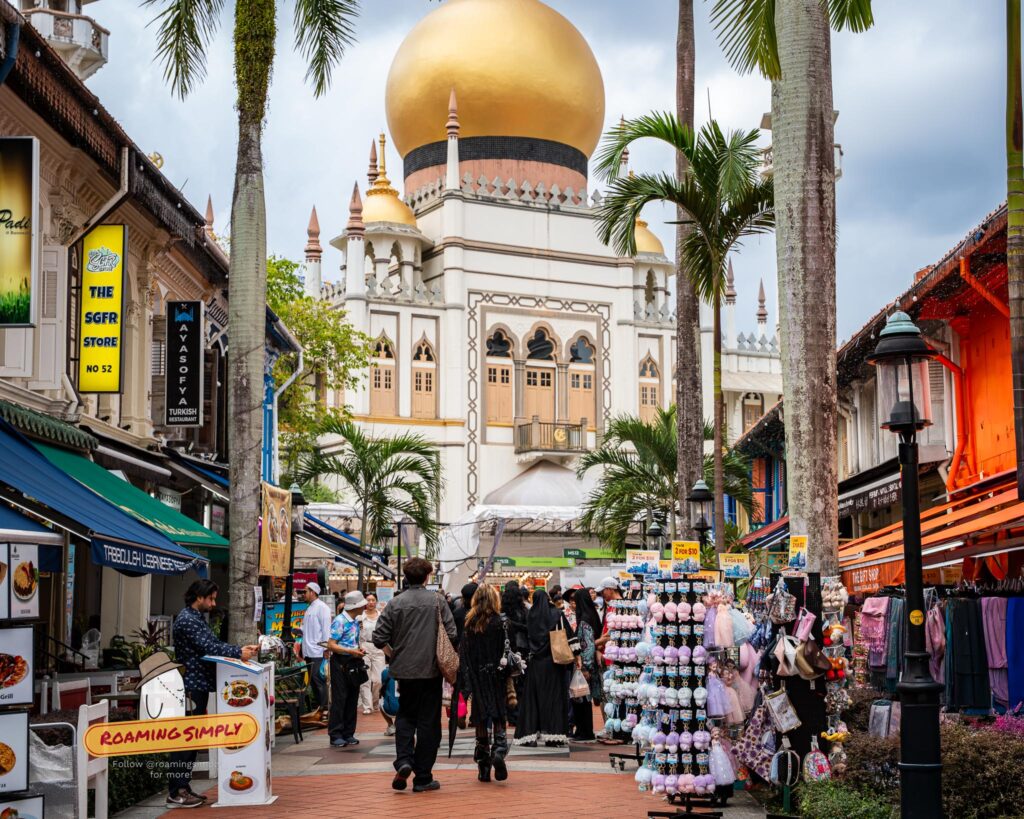
Singapore is famous for its futuristic skyline, delicious food, and the Merlion. But tucked away within the historic district of Kampong Glam lies a golden-domed treasure that tells a different story. The Sultan Mosque (or Masjid Sultan) is not just a place of worship, it is the heart of the local Muslim community and one of the country’s most impressive architectural icons. Visiting Sultan Mosque reveals its cultural and architectural significance in Singapore.
Whether you are an architecture enthusiast or a history buff, the Sultan Mosque demands attention. Standing tall against a backdrop of modern shophouses and palm trees, it serves as a reminder of Singapore’s royal Malay heritage.
The Origins of Sultan Mosque
To understand the grandeur of the Sultan Mosque, we must look back to the early 19th century. When Sir Stamford Raffles came Singapore to the British in 1819, the area of Kampong Glam was allocated to the Malays, including Sultan Hussein Shah.
In 1824, the Sultan built a mosque next to his palace. It was a simple, single-storey brick structure with a double-tiered roof, typical of traditional Southeast Asian Mosque architecture at the time.
In 1924, exactly one hundred years after the original construction, the mosque’s trustees approved a plan to erect a new mosque. The task fell to Denis Santry from the architectural firm Swan & Maclaren. Completed in 1932, the current structure has since then become a focal point of Singapore’s Malay Community.
The Sultan Mosque: An Architectural Marvel
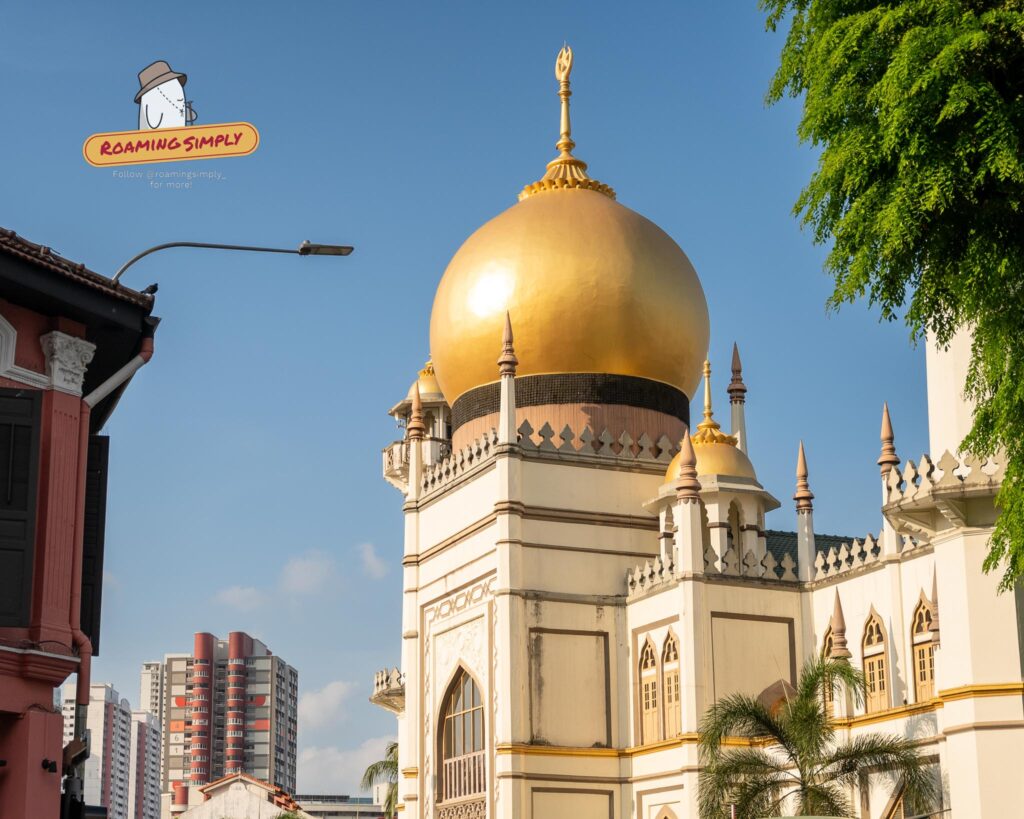
The Sultan Mosque is a stunning example of Indo-Saracenic style, a design movement that combines traditional Islamic elements with Indian and European influences. As you approach Muscat Street, the first thing you notice is the massive golden domes topped with crescent moons and stars.
The Sultan Mosque’s Golden Domes and a Secret Detail
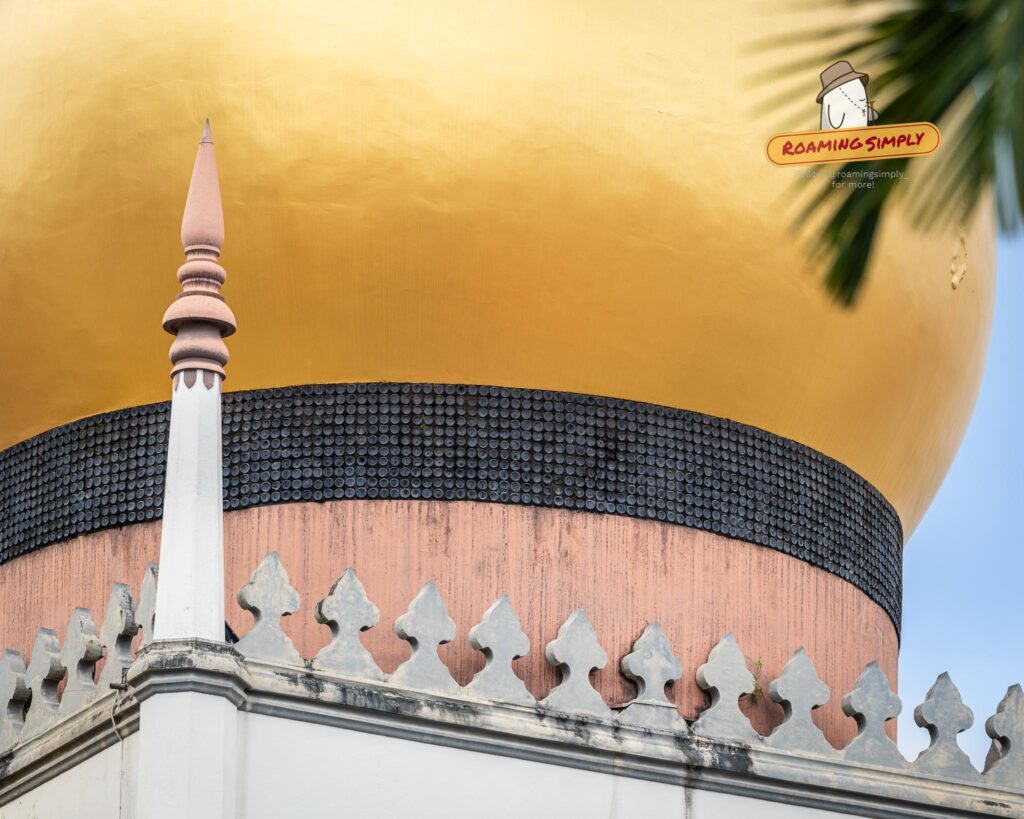
While the gold shines brilliantly under the sun, a hidden detail is at the base of each dome in the Sultan Mosque. The black band at the base of the domes are hundreds of soy sauce bottle ends. These were collected from poor Muslims who wanted to contribute to the building but could not afford money. The architect incorporated these humble donations into the most prominent part of the mosque, ensuring that regardless of income, everyone has a stake in this magnificent building.
Interior Grandeur
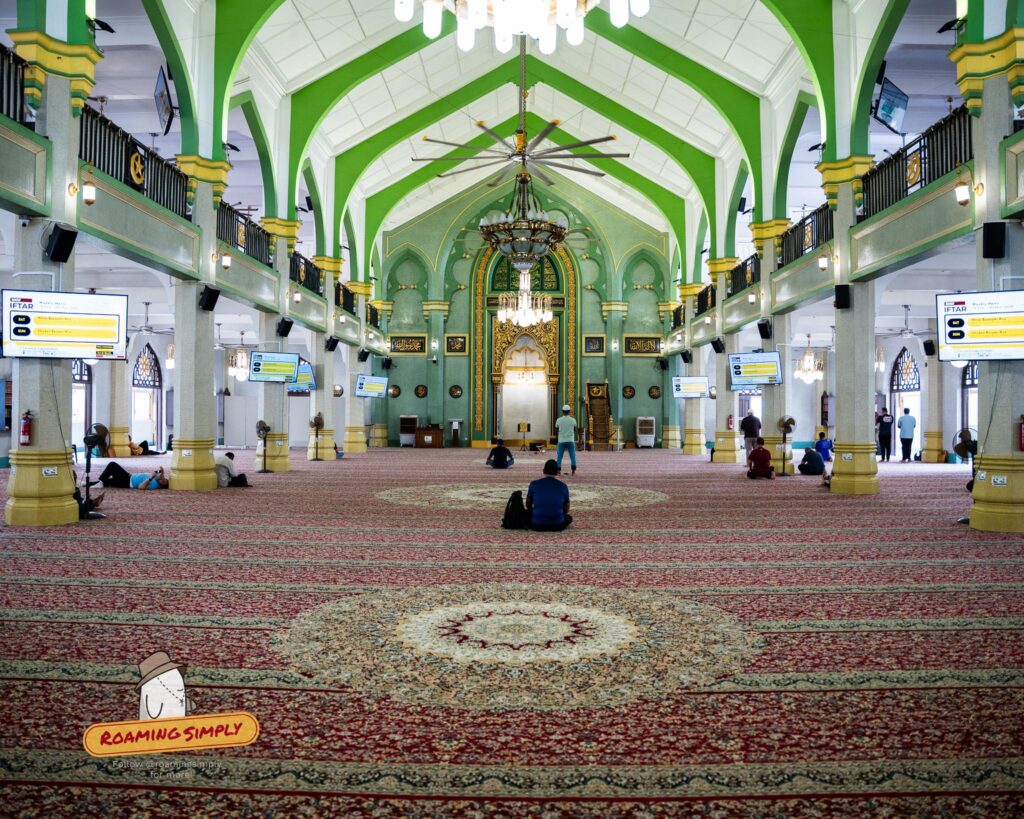
Stepping inside the main prayer hall of the Sultan Mosque is a breathtaking experience. The space is vast, capable of holding up to 5,000 worshippers. The hall is defined by strong columns and arches that draw the eye upwards, creating a sense of spaciousness and spiritual elevation. The mihrab (prayer niche), which indicates the direction of Mecca, is framed by an elegant lancet arch and features intricate floral motifs.
The mosque also features four minarets, which were traditionally used for the call to prayer (adhan). Today, they stand as symmetrical sentinels framing the building, adding to its regal appearance.
Kampong Glam: Cultural Heritage and Significance
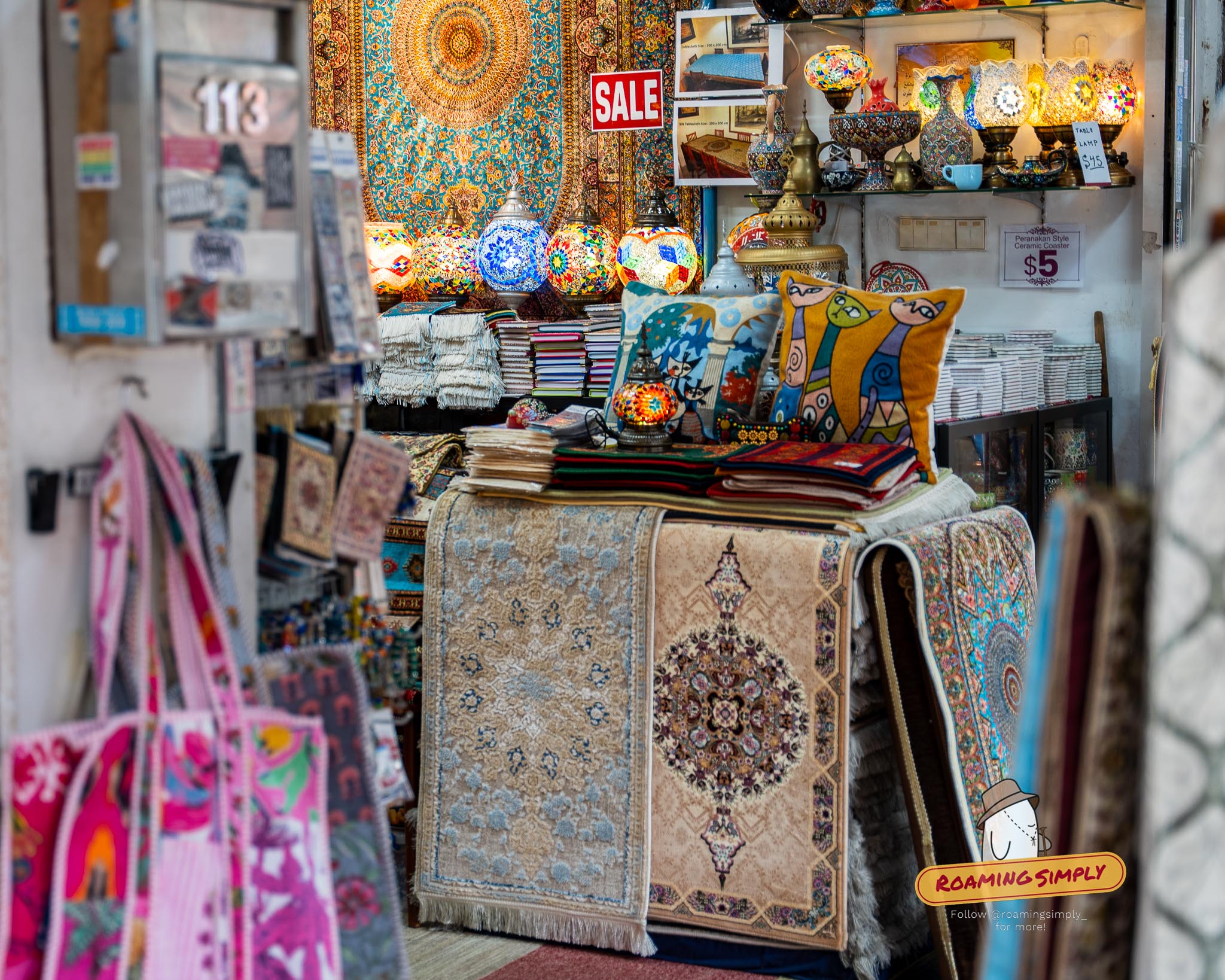
The Sultan Mosque anchors the entire district of Kampong Glam. Once the seat of Malay royalty in Singapore, this neighbourhood retains a strong sense of identity.
Historically, this area was the hub for pilgrims travelling to Mecca for the Hajj. Pilgrims from across the Malay Archipelago gather here to prepare for their arduous journey by sea. Today, the connection remains strong. The streets from the mosque such as Bussorah Street, Arab Street, and Muscat Street are alive with businesses that reflect this heritage.
Bussorah Street, now a pedestrian mall, offers the perfect vantage point for photographing the mosque. Lined with palm trees and restored shophouses, it feels like a step back in time. If you are lucky, you might catch the call to prayer which echoes through the streets five times a day.
Events and Festivals Celebrated at the Mosque
The mosque is a living, breathing community centre. The most significant weekly event is the Friday prayer (Jumu’ah), where thousands of worshippers congregate. The spillover often reaches the courtyards and surrounding walkways, creating a powerful scene of devotion.
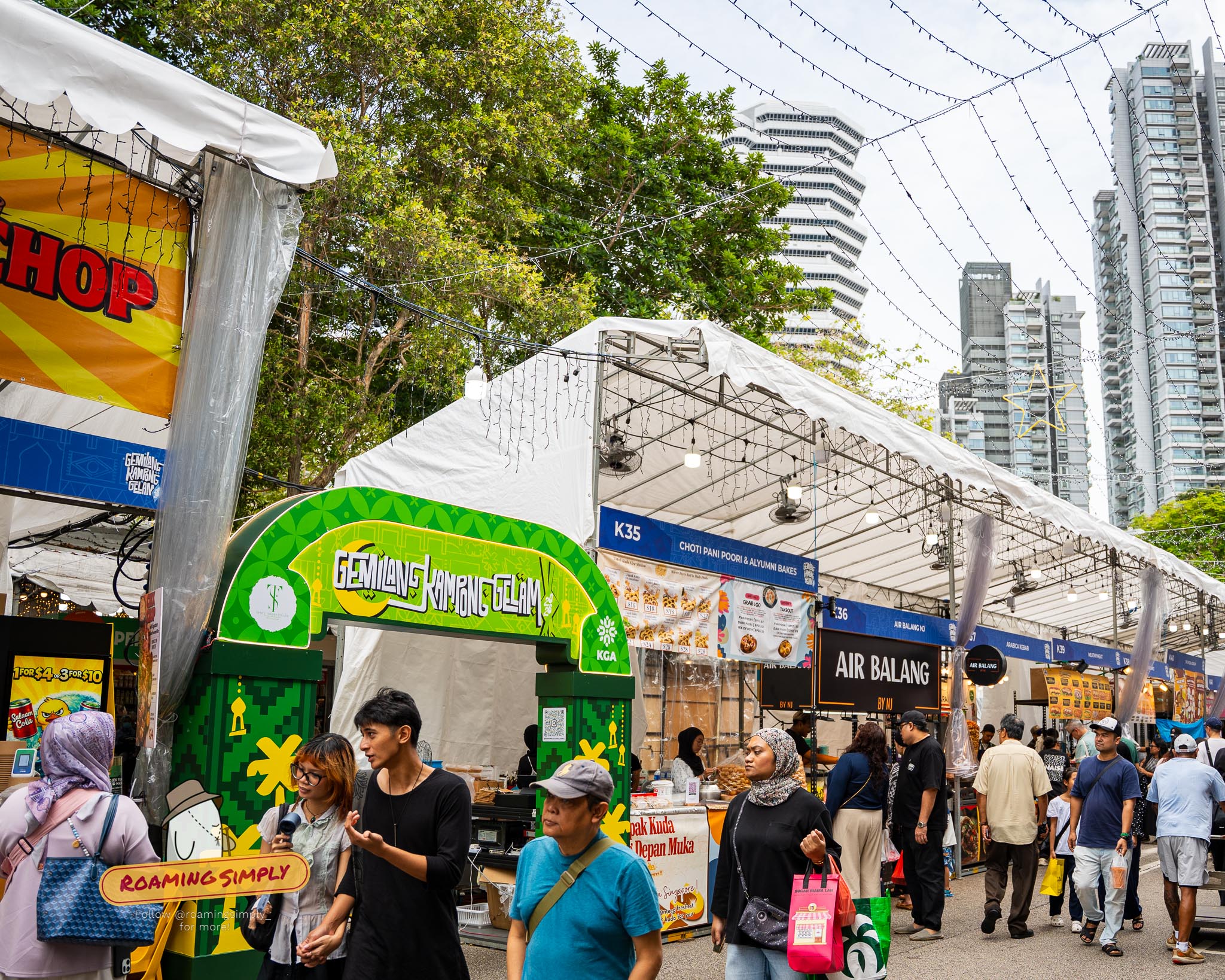
During the holy month of Ramadan, the atmosphere transforms. In the evenings, the mosque and the surrounding streets bustle with people breaking their fast. The area becomes a festive gathering of food, prayer, and charity.
What to Do Around the Sultan Mosque
After exploring the Sultan Mosque, take time to wander the vibrant streets nearby. The area is a melting pot of traditional culture and hipster cool.
Shopping and Dining
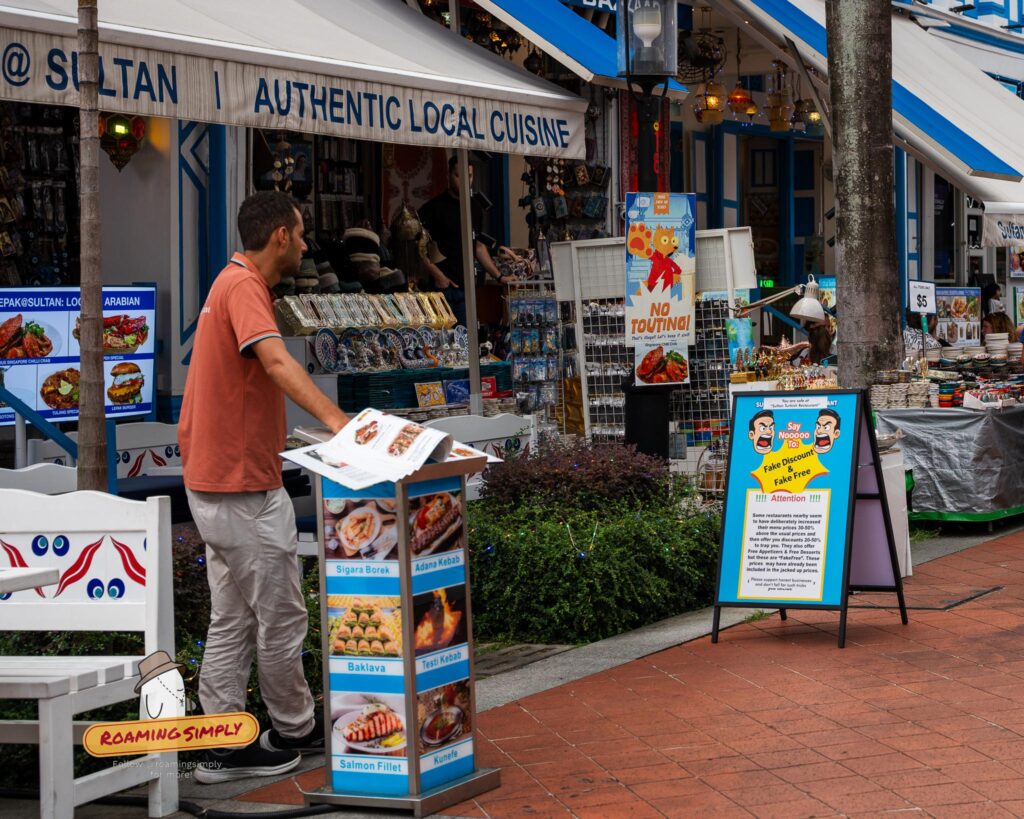
Just a stone’s throw away is Arab Street, famous for its textile shops. Here, you can find high-quality silks, batiks, and Persian carpets. The air is often thick with the scent of perfumes and essential oils from traditional perfumeries mixing custom scents for visitors.
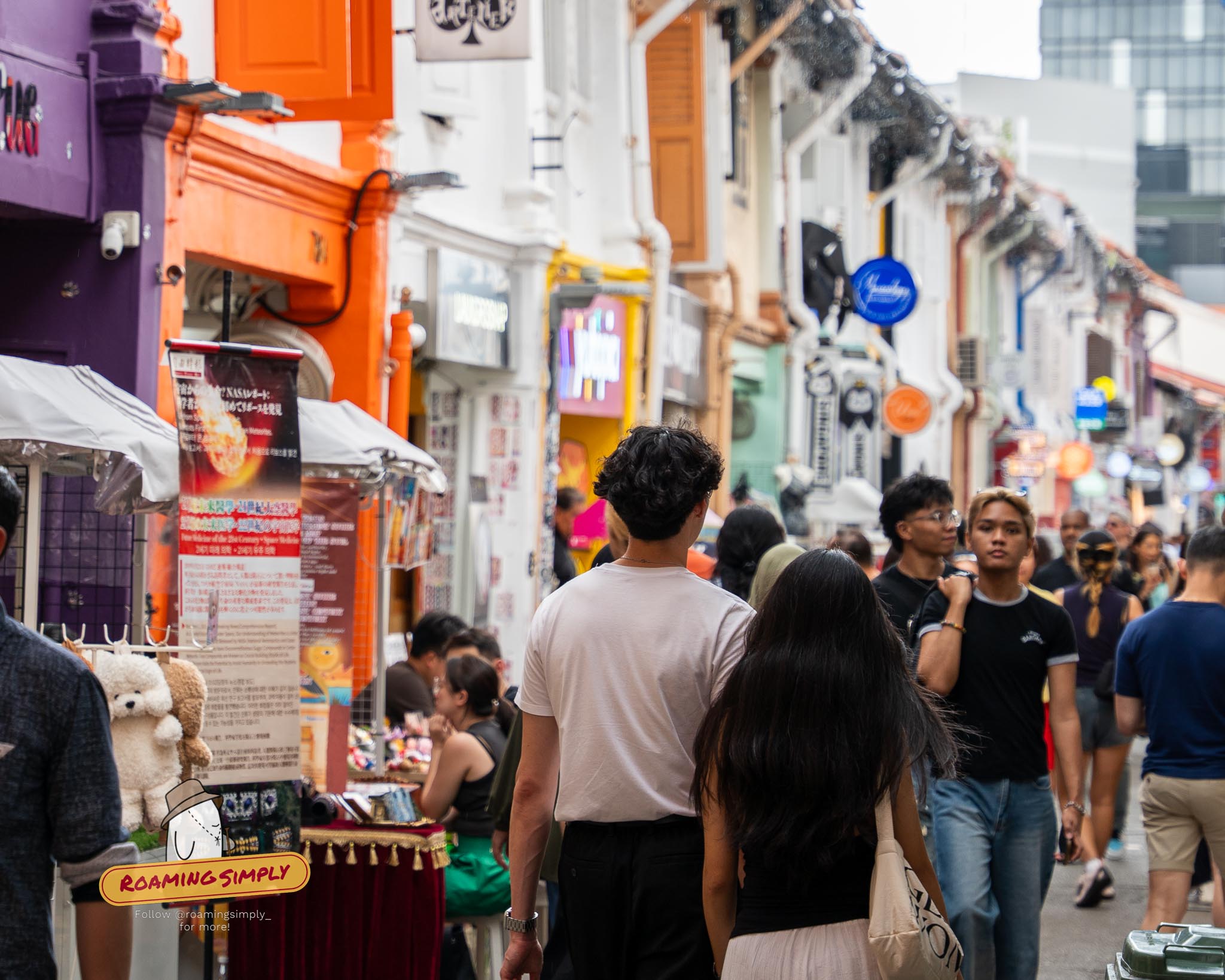
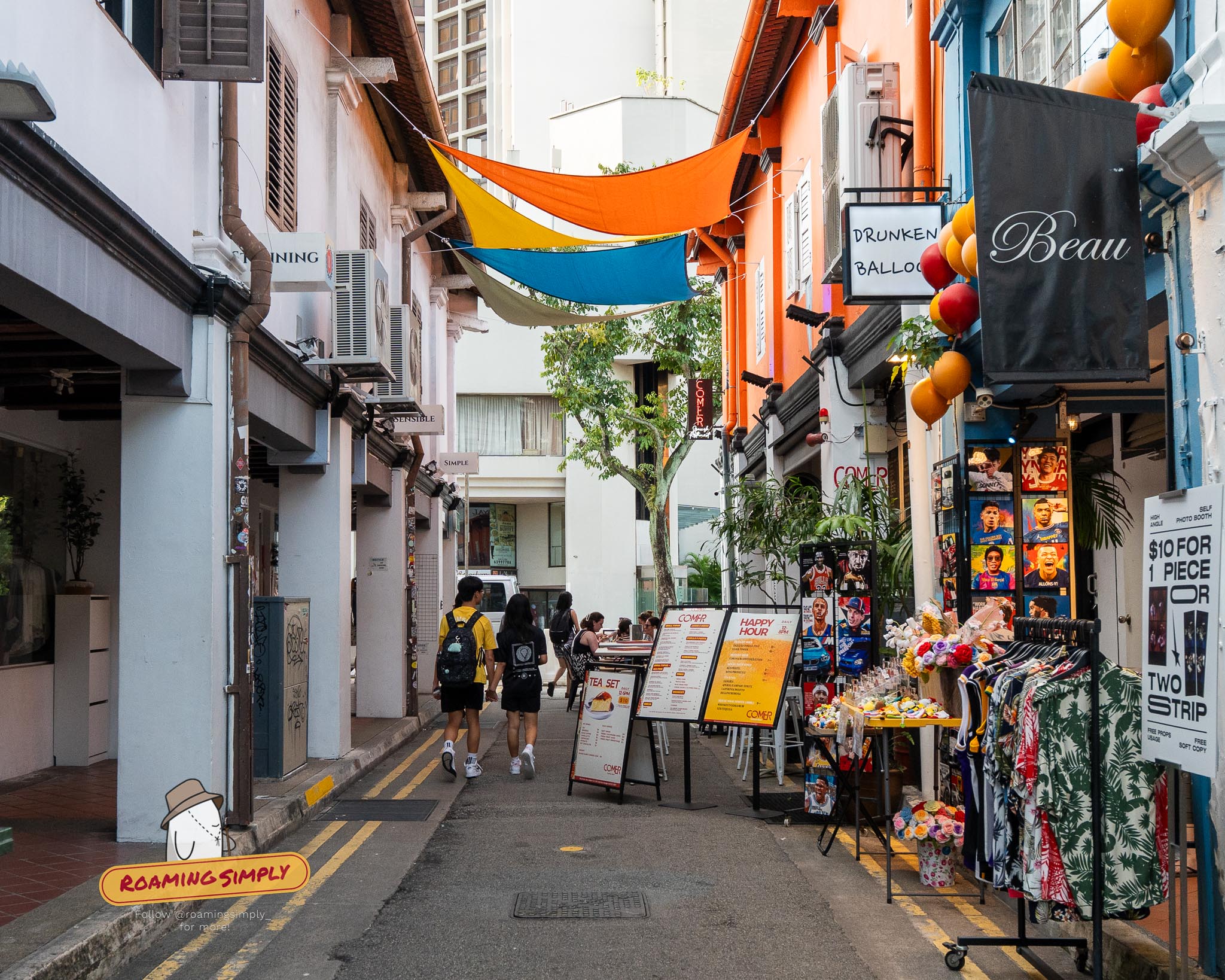
For a more contemporary vibe, head to Haji Lane. This narrow alleyway is arguably Singapore’s narrowest street but punches well above its weight in character. It is lined with indie boutiques, quirky lifestyle stores, and vibrant cafes. It is the perfect place to pick up unique fashion items or enjoy an iced coffee while people-watching.
Street Art and Culture
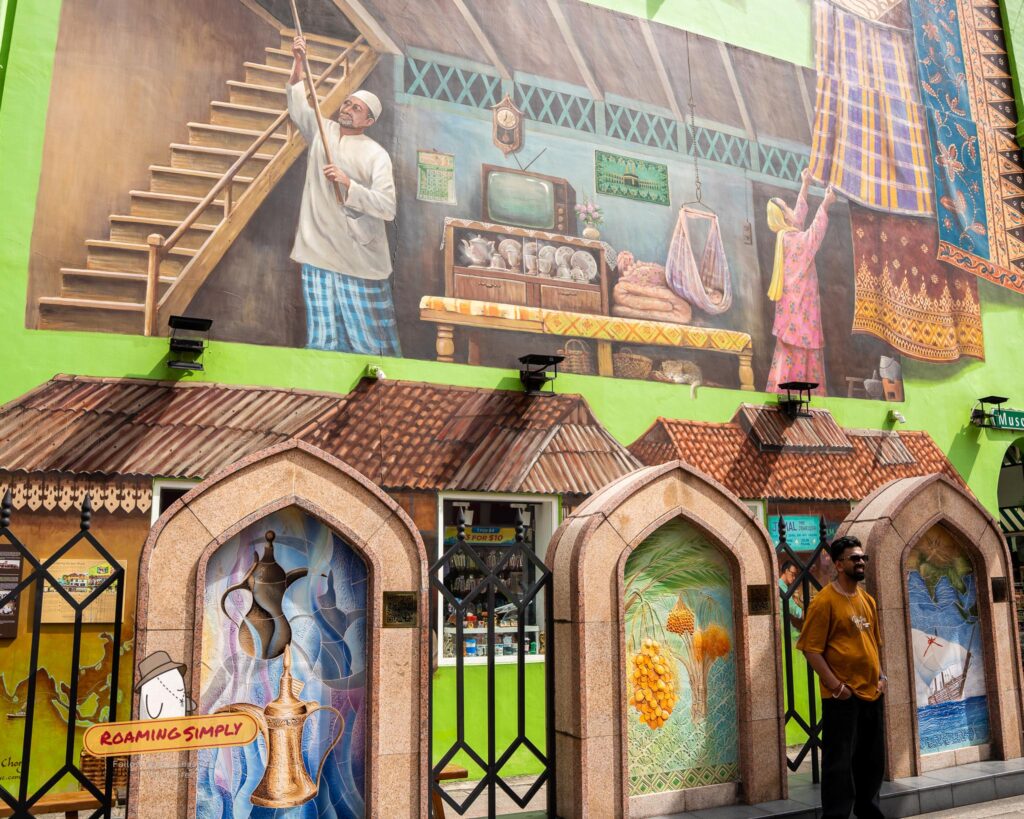
Art lovers should visit the Gelam Gallery, Singapore’s first outdoor art gallery located in the back alleys of Muscat Street. It features murals by local and international artists, adding a splash of modern colour to the heritage precinct.
For a deeper dive into history, visit the Malay Heritage Centre that’s located in the former Sultan’s palace, the Istana Kampong Gelam. It offers excellent exhibitions on the history of the Malay community in Singapore and provides context to the royalty who once commissioned the mosque. The attraction is now under renovation until 2026.
Visitor Tips for a Memorable Experience
To ensure a respectful and enjoyable visit to the Sultan Mosque, keep these practical tips in mind:
- Best Time to Visit: The mosque is generally open to visitors from 10:00 AM to 12:00 PM and 2:00 PM to 4:00 PM daily. However, avoid Fridays between 11:00 AM and 2:00 PM, as the mosque is closed to tourists for congregational prayers.
- Dress Code: As a place of worship, modest attire is required. Visitors should cover their shoulders and knees. If you are not dressed appropriately, robes are available free of charge at the entrance for you to wear during your visit. You will also need to remove your footwear before entering the prayer hall.
- Photography: The mosque is incredibly photogenic. For the best exterior shots, visit in the morning when the light is soft, casting gentle shadows on the arches. Alternatively, visit during the “golden hour” just before sunset, when the golden domes appear to glow with a fiery intensity against the evening sky. Inside, photography is permitted but always be respectful of worshippers and avoid using flash.
The Verdict: Embracing the Legacy
The Sultan Mosque is more than just a beautiful building; it is a bridge between Singapore’s past and present. It stands as a tribute to the early pioneers of Kampong Glam, from the wealthy sultans to the humble contributors who donated glass bottles.
Visiting the mosque offers a rare moment of tranquillity amidst the city’s hustle. Whether you are exploring the indie vibes of Haji Lane or admiring the golden domes from Bussorah Street, the mosque serves as a majestic anchor to your experience. We encourage you to step inside, learn its stories, and appreciate a vital piece of Singapore’s rich cultural tapestry.
Your Guide to Visiting The sultan mosque
ADDRESS : 3 Muscat Street, Singapore 198833
PHONE : +65 6293 4405
OPENING HOURS : Saturday to Thursday from 10:00 AM to 12:00 PM and 2:00 PM to 4:00 PM. Closed to tourists on Fridays and during prayers
Find your next adventure!
Stay updated with our recent articles and insights.
 Featured, Plan, Singapore
Botanic Gardens Singapore: My Favourite Photo Spots for a Scenic Day Out
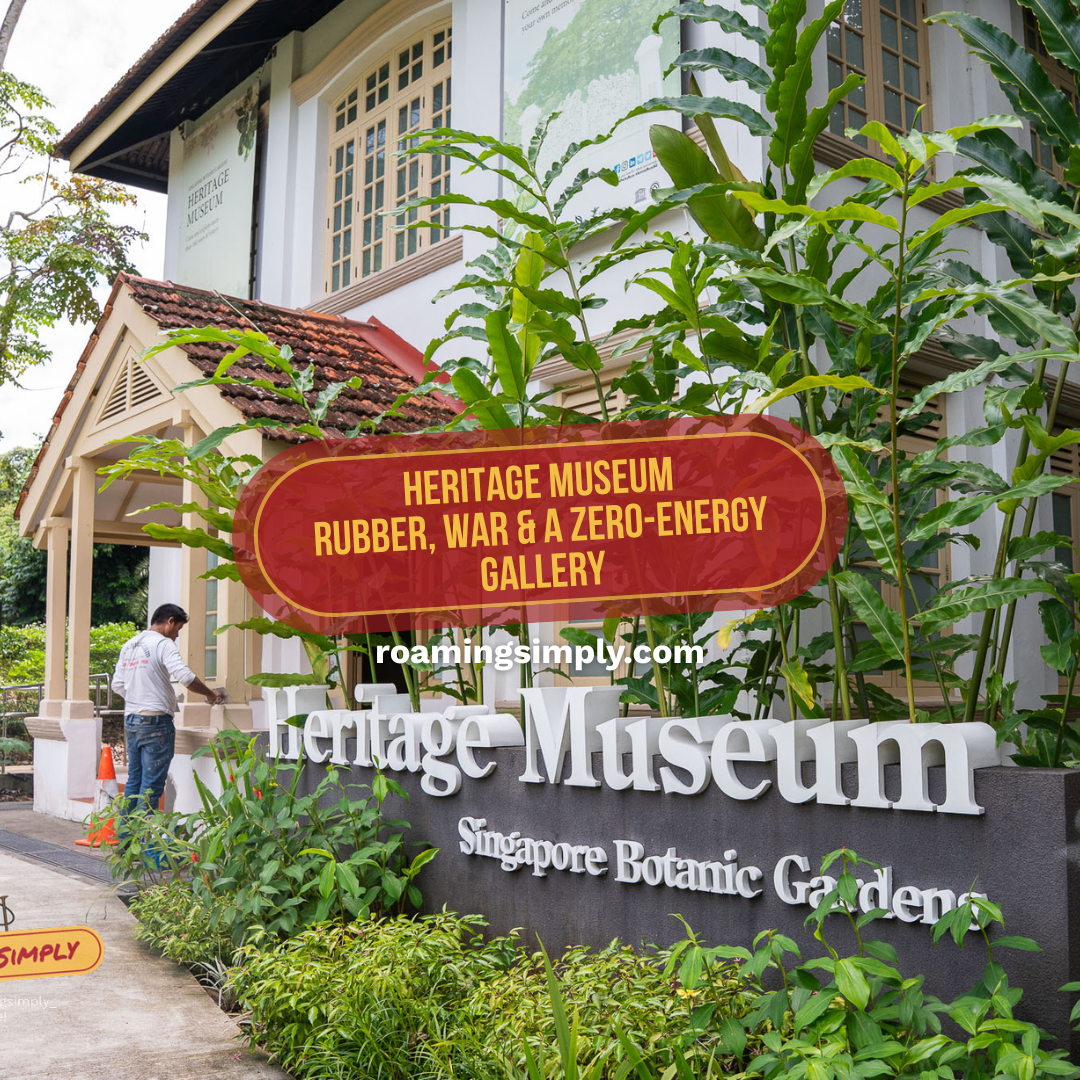 Explore, Featured, Singapore
Heritage Museum and CDL Green Gallery at Singapore Botanic Gardens: A Quiet Cultural Stop Worth Visiting
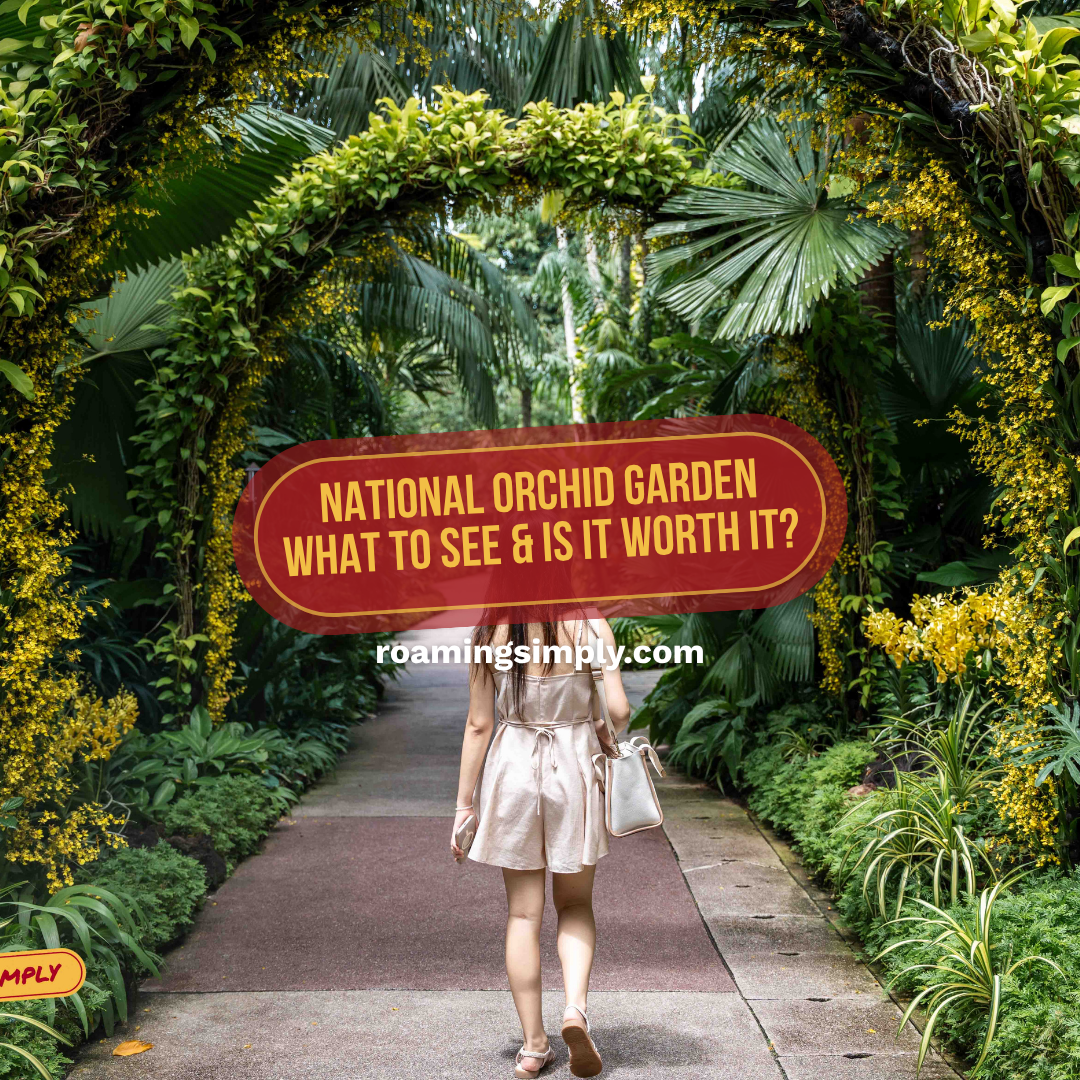 Explore, Singapore
National Orchid Garden Singapore: What to See and Why It’s Worth It
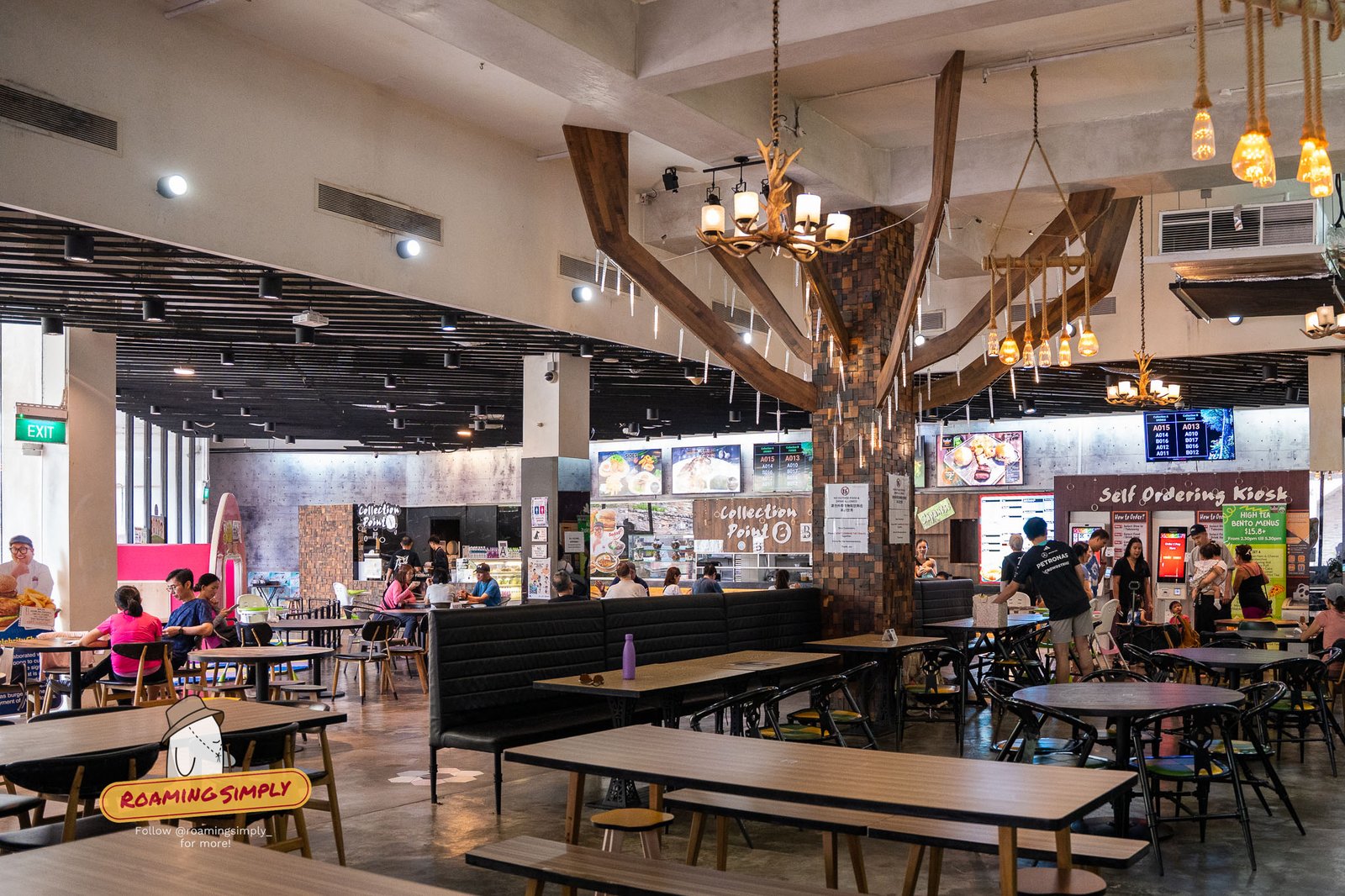 Eat, Singapore
Fusion Spoon: A Family-Friendly Cafe at Botanic Gardens
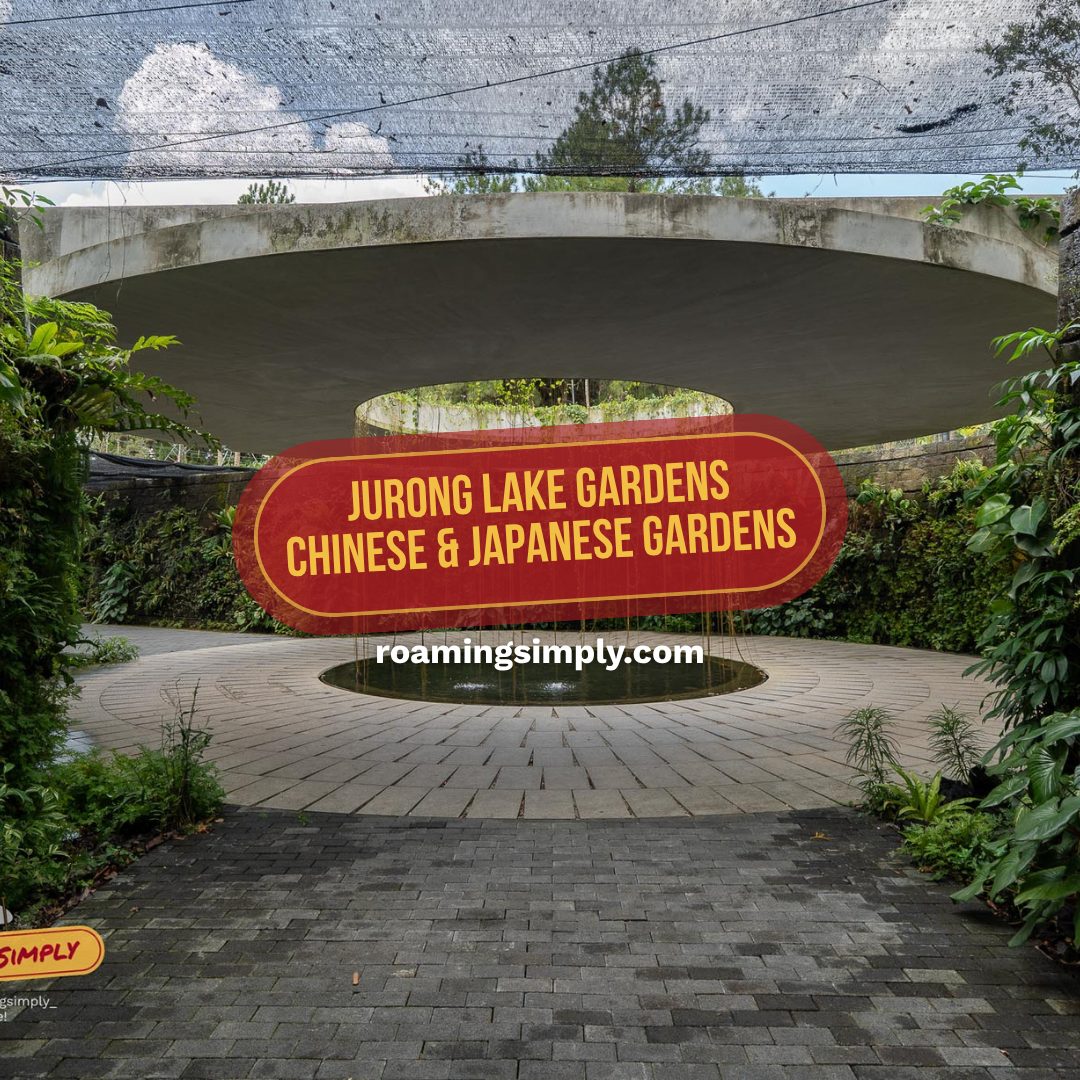 Explore, Featured, Singapore
Jurong Lake Gardens: Singapore’s Hidden Gem in the West
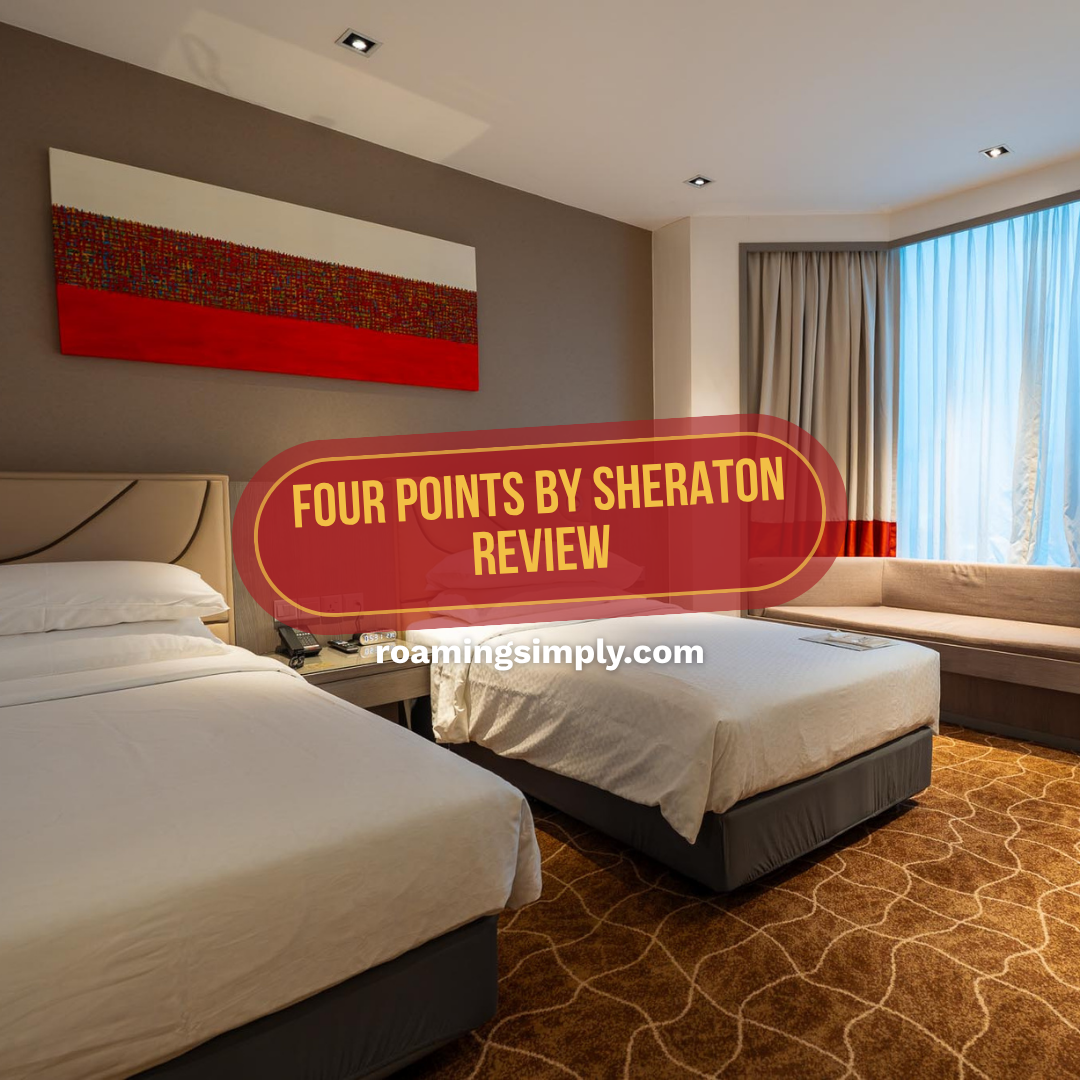 Singapore, Stay
Four Points by Sheraton Singapore Riverview Deluxe Room Review: Worth It in 2026?
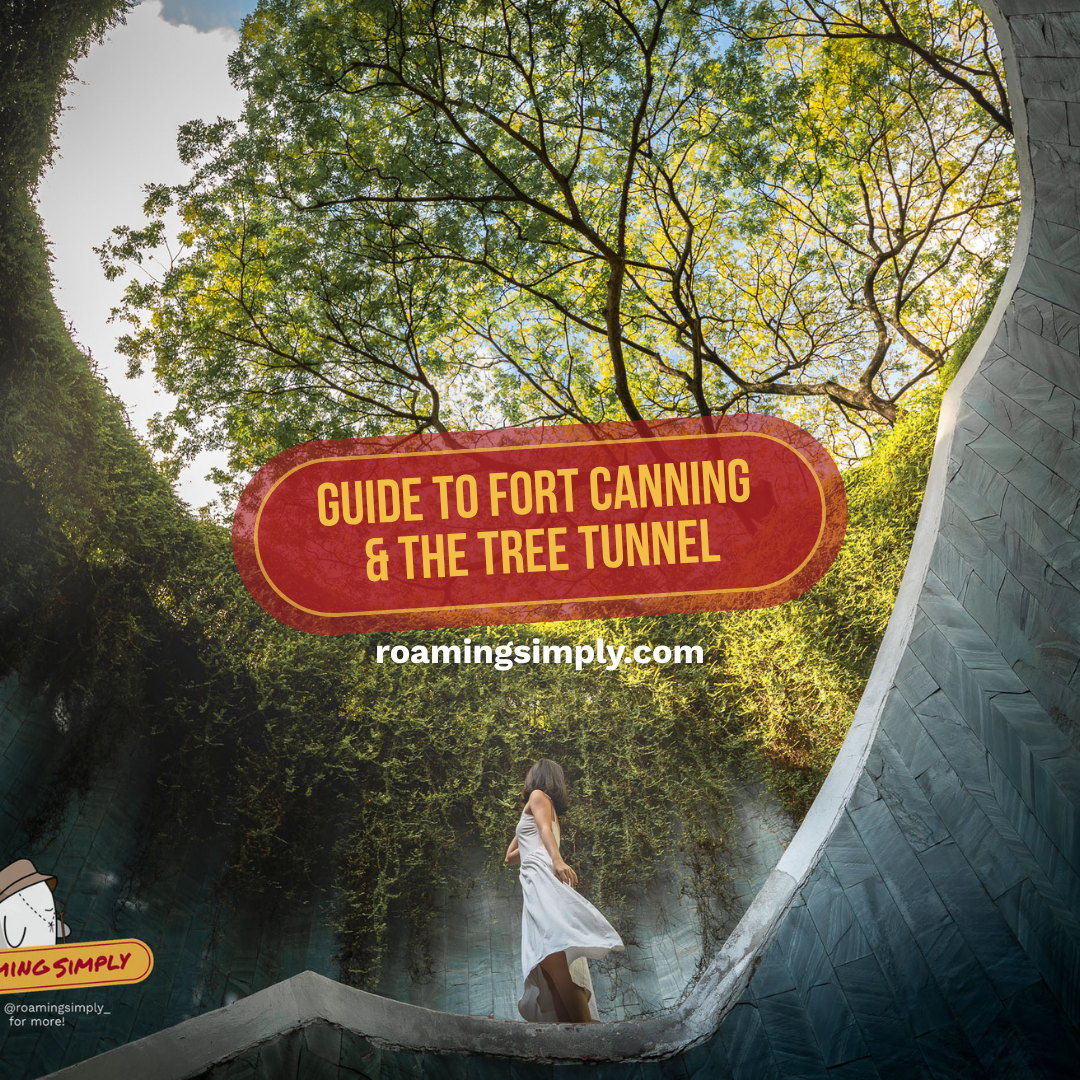 Explore, Featured, Singapore
Fort Canning Park Guide: History & The Tree Tunnel
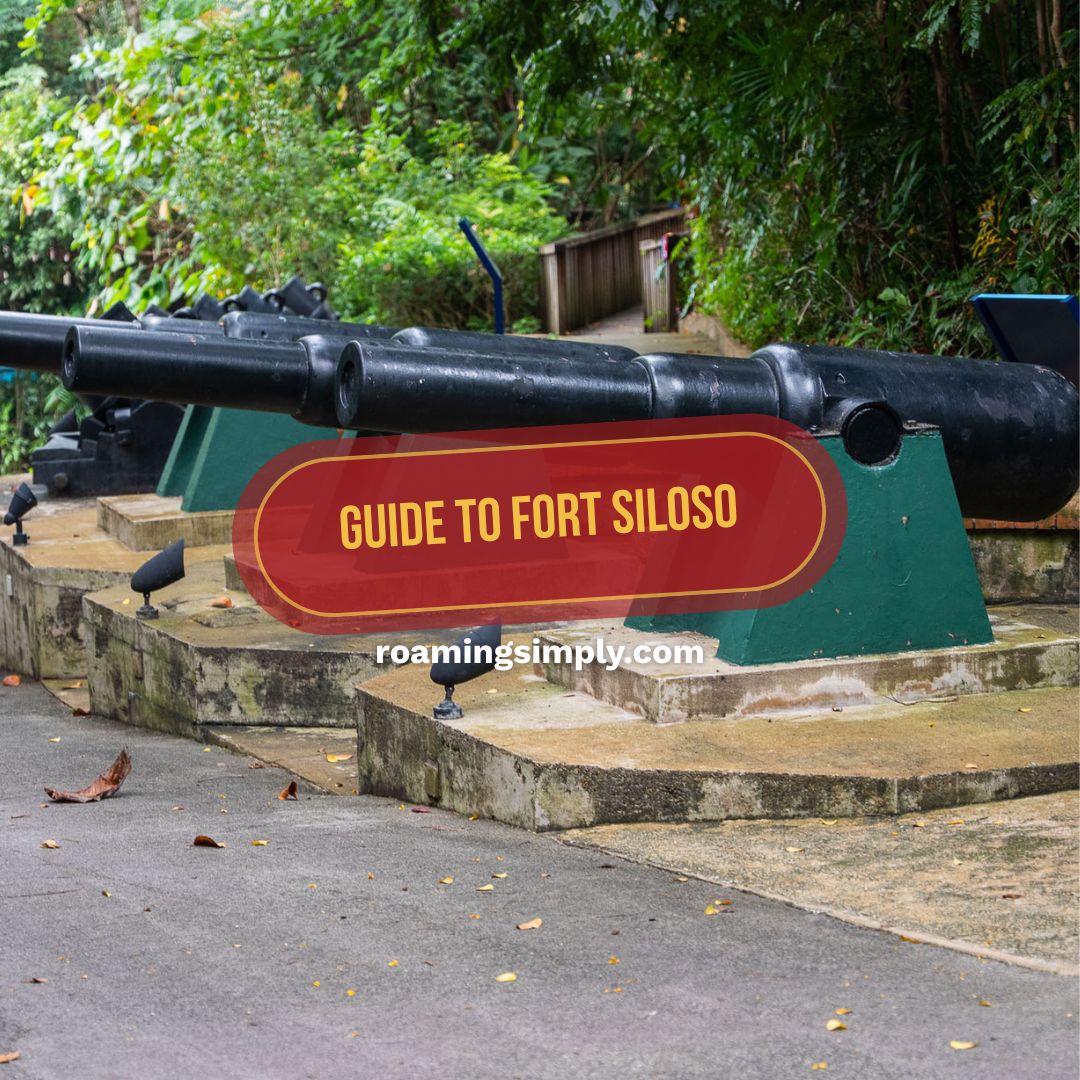 Explore, Featured, Singapore
A Guide to the Fort Siloso: History, Views & Tips
 Eat, Singapore
Tsui Wah and Its Signature Dishes You Must Try
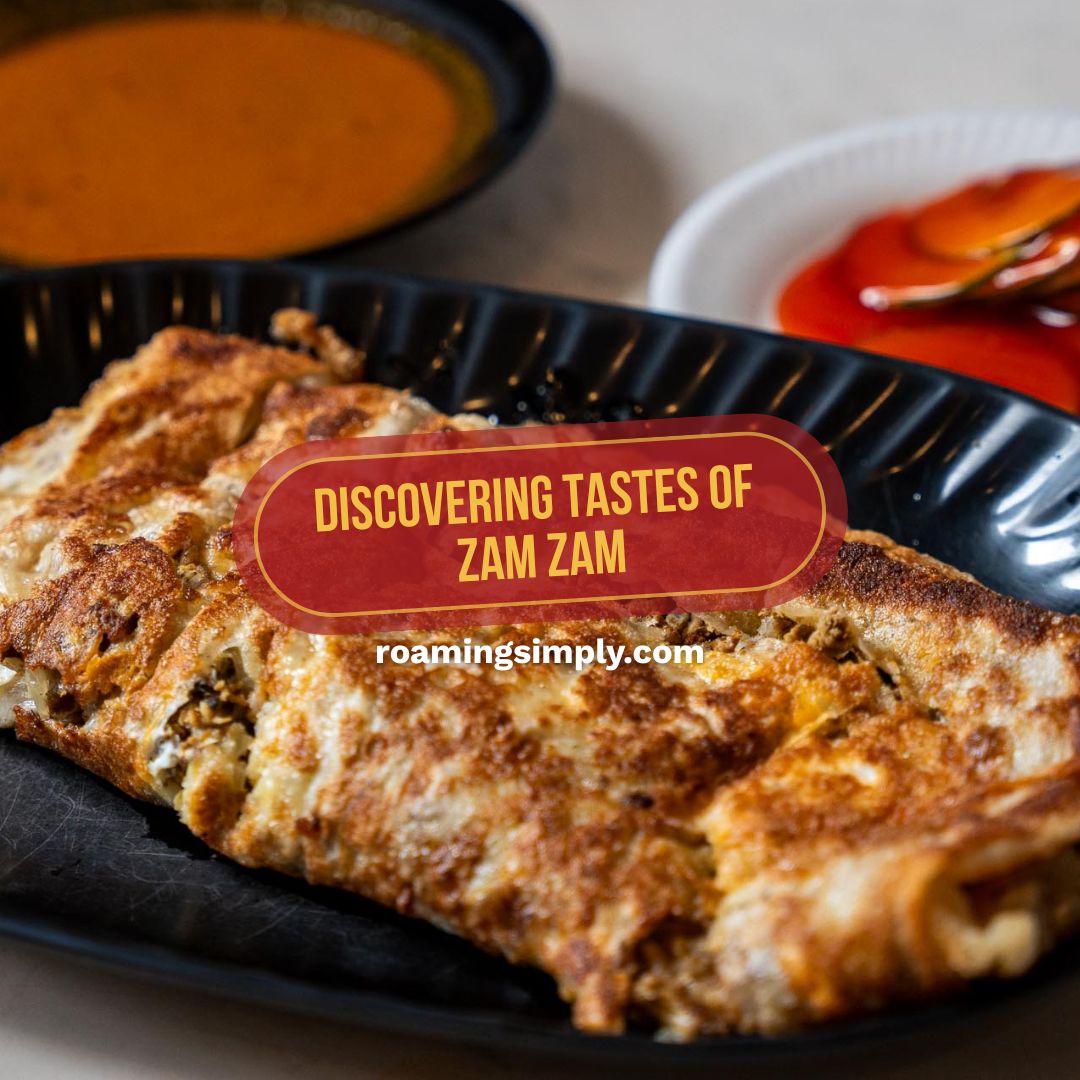 Eat, Singapore
Zam Zam Singapore: the best Murtabak in Town
 Play, Singapore
Singapore City Gallery Guide: The Best Free Attraction for Culture Lovers
 Featured, Play, Singapore