
Visited in June 2026. Verified by an STB-licensed tourist guide.
A Jurong Lake Gardens Guide
TL;DR
Worth it? Yes, for repeat visitors and photographers with half a day
Location: Jurong, in the west of Singapore
Getting there: Chinese Garden MRT (EW25)
Price: Free
Pace: Moderate for all three gardens. Easy for one
Good to know: Half a day for all three. Tiring in the heat
A Garden Worth the Trip West
Jurong Lake Gardens is a free national garden built around Jurong Lake, in the west of Singapore. Jurong is a little far from the city centre, and we think the gardens are worth the trip. All three took us half a day, and it is tiring.
It is Singapore’s third national garden and the first in the heartlands, planned as a people’s garden for the community. Its 90 hectares are split into three parts: Lakeside Garden, the Chinese Garden and the Japanese Garden.
The Chinese and Japanese Gardens reopened on 8 September 2024 after a renovation. We take the three gardens in turn below, then the wildlife, how to get there and what to bring.
Lakeside Garden
Lakeside Garden is the western part of the gardens and the largest of the three, at 60 hectares. It is open 24 hours.
Rasau Walk
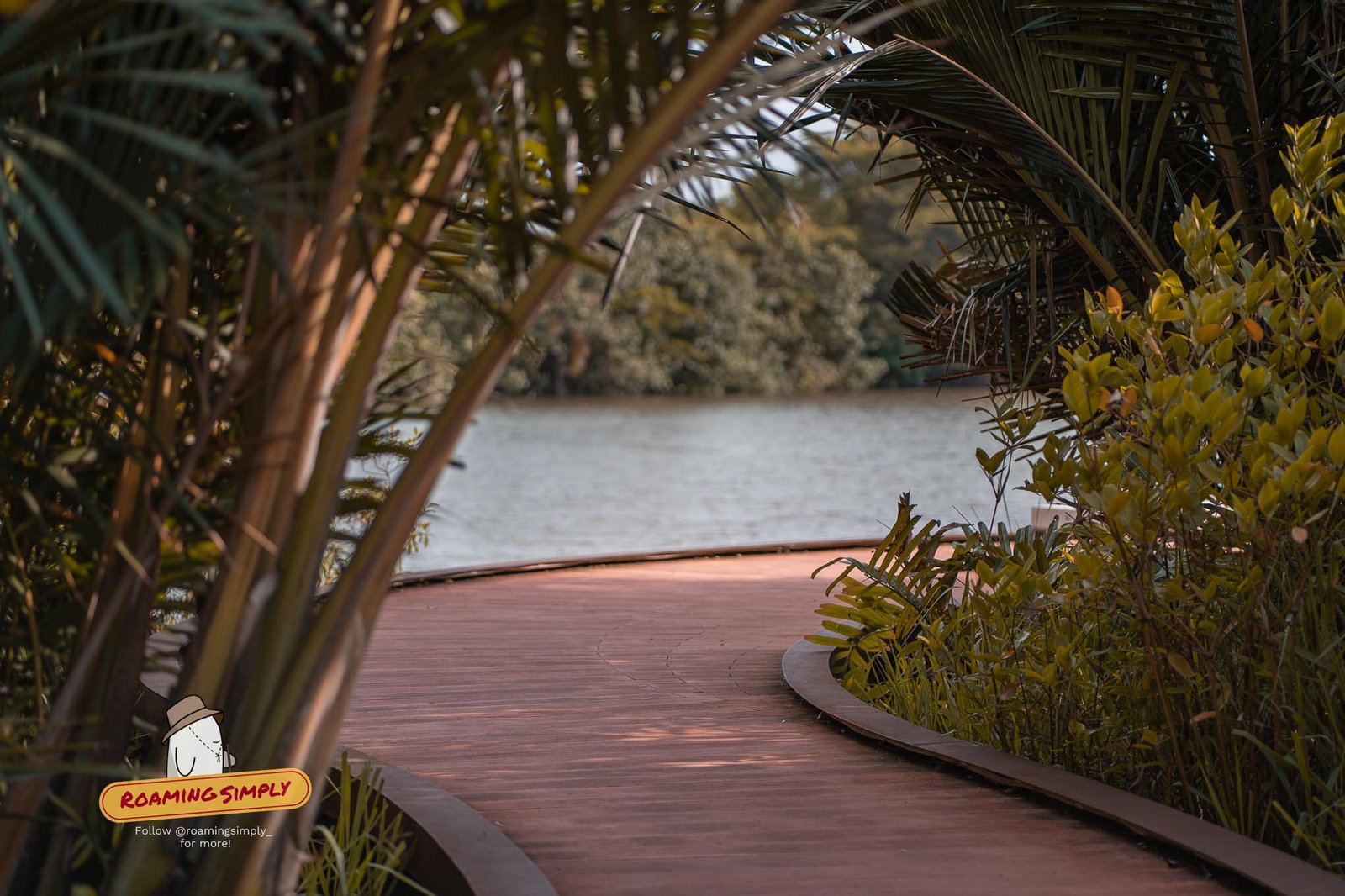
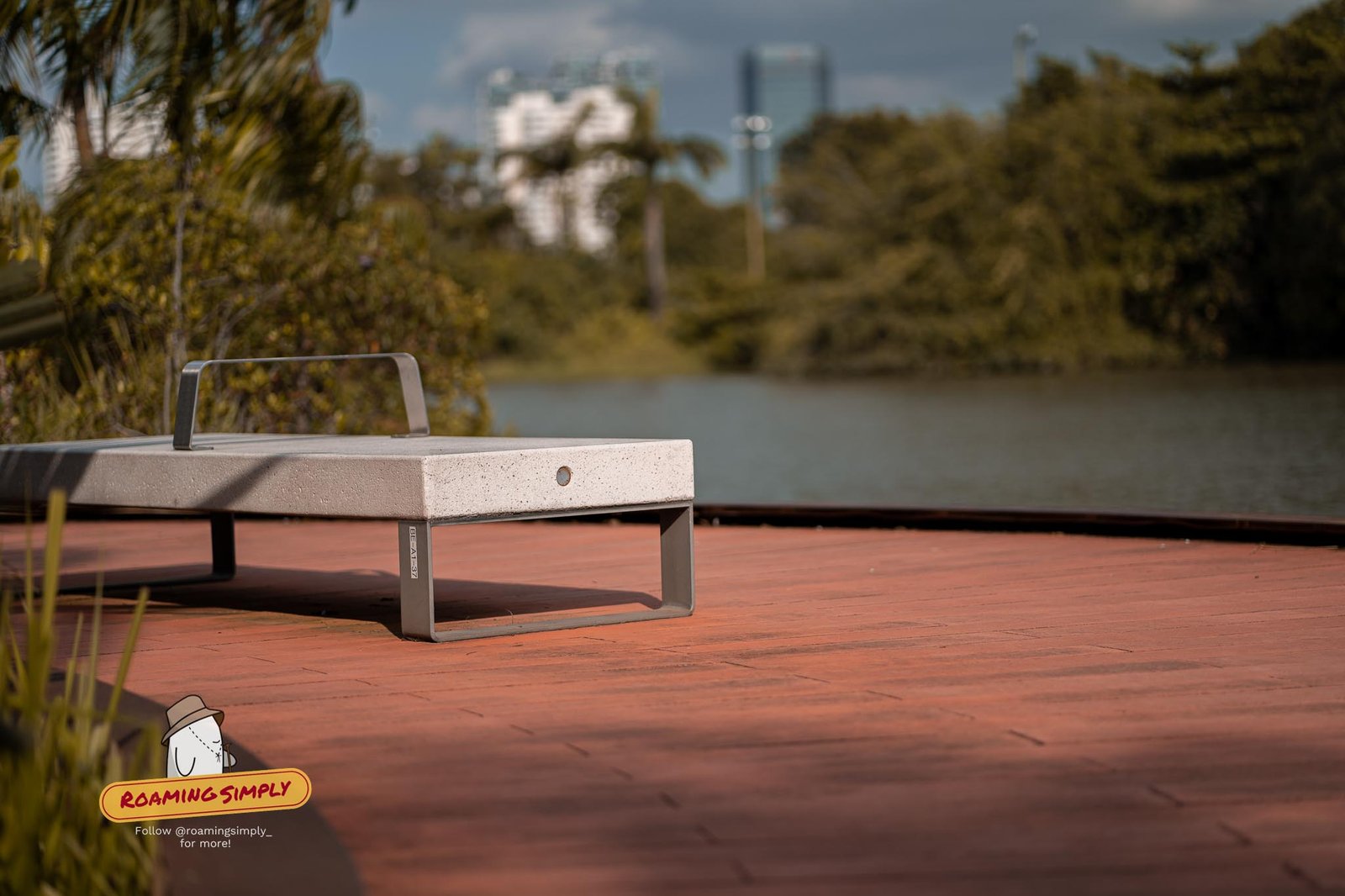
Our favourite part is strolling along the Rasau Walk. It is a 300-metre boardwalk that winds along the water’s edge and through a restored freshwater swamp. The walk is named after the rasau, a wetland plant that grows along the banks here.
The boardwalk is flat and easy. It is our pick for early-morning birdwatching, with herons and kingfishers working the shallows while the lake is still. The Grey Heron and the White-breasted Waterhen are among the shore birds that feed here.
The Lone Tree
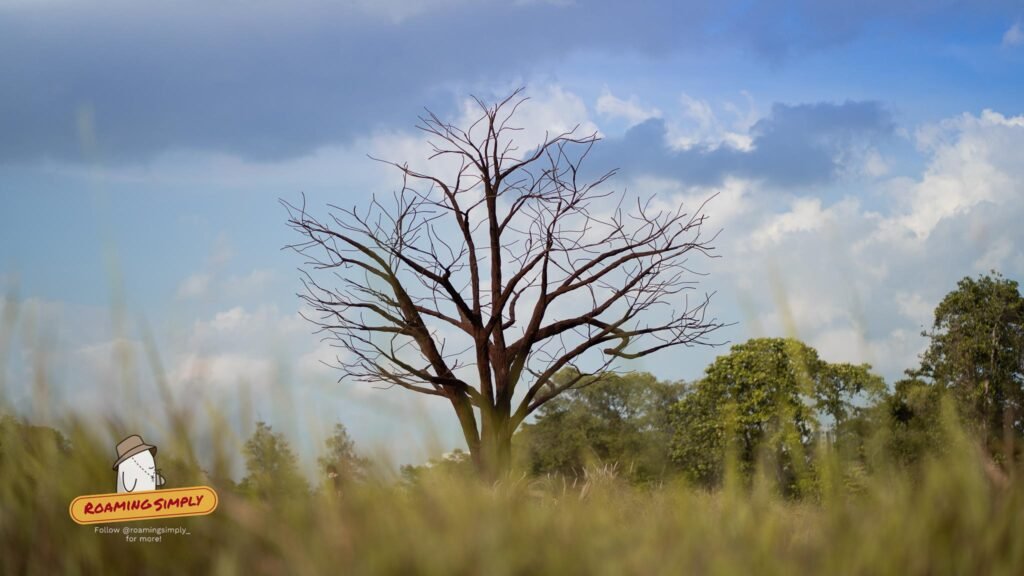
A little further on is the Lone Tree, a metal sculpture that stands in a field of tall grass. It is made from recycled iron reinforcement bars salvaged from old park pathways, and it is inspired by the industrial origins of Jurong.
Go at sunset, when its silhouette and its reflection line up across the water. The tall grass around it catches the late afternoon light. The Grasslands are not lit at night, and you are asked to stay out of them after dark.
The Chinese Garden
You cross a bridge into the Chinese Garden. Inside are grand pavilions, stone bridges and courtyards, laid out with symmetry.
The garden was modelled on the northern Chinese imperial style of the Song dynasty and on the Summer Palace in Beijing. Yu Yuen Chen, a Taiwanese expert on Chinese gardens, prepared the design. It first opened on 18 April 1975.
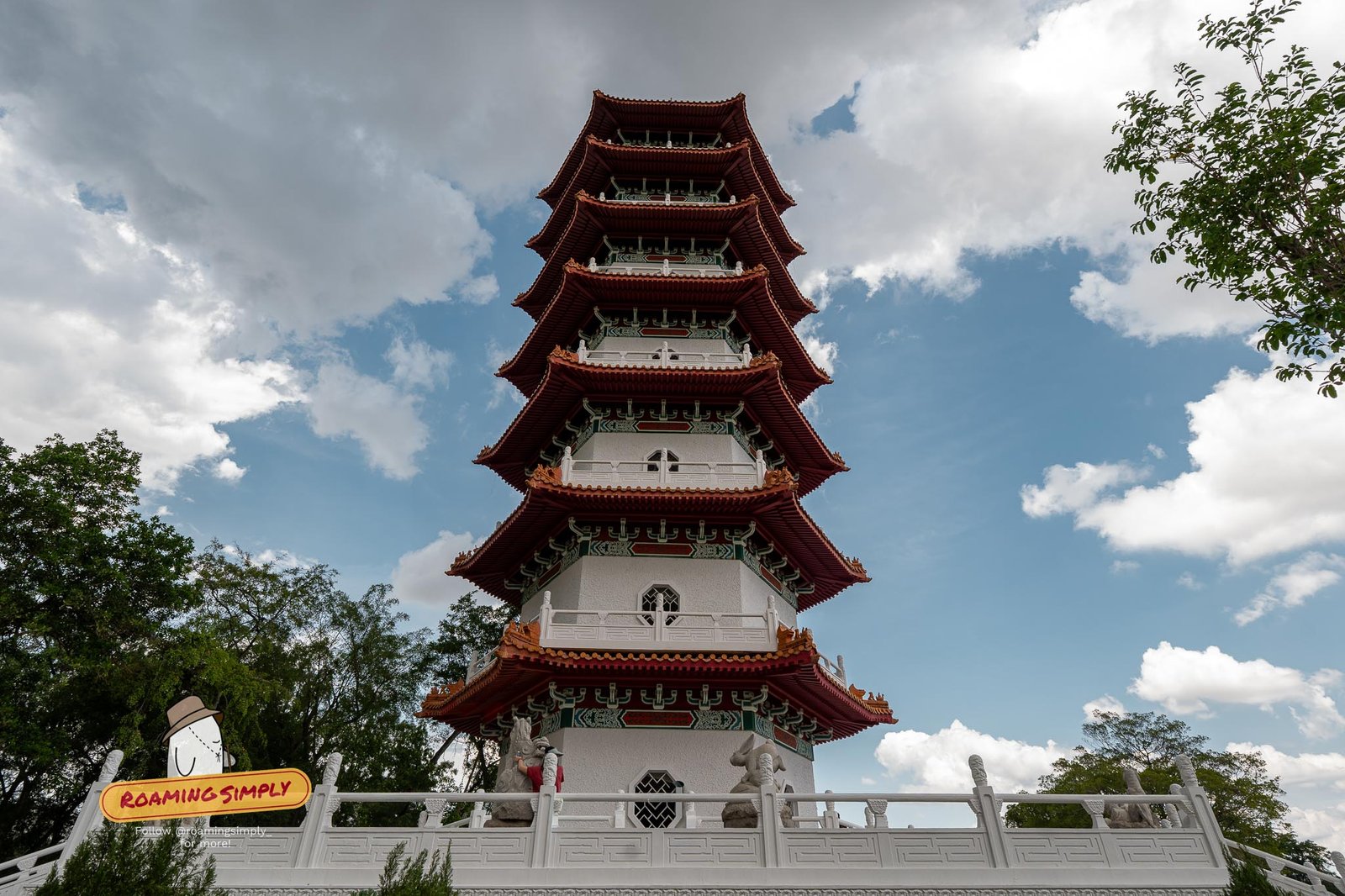
The Twin Pagodas and the Cloud Pagoda
The three-storey Twin Pagodas stand over the lake. You can climb them by their spiral staircases for views of the gardens and Jurong Lake. They are open daily from 7am to 10pm.
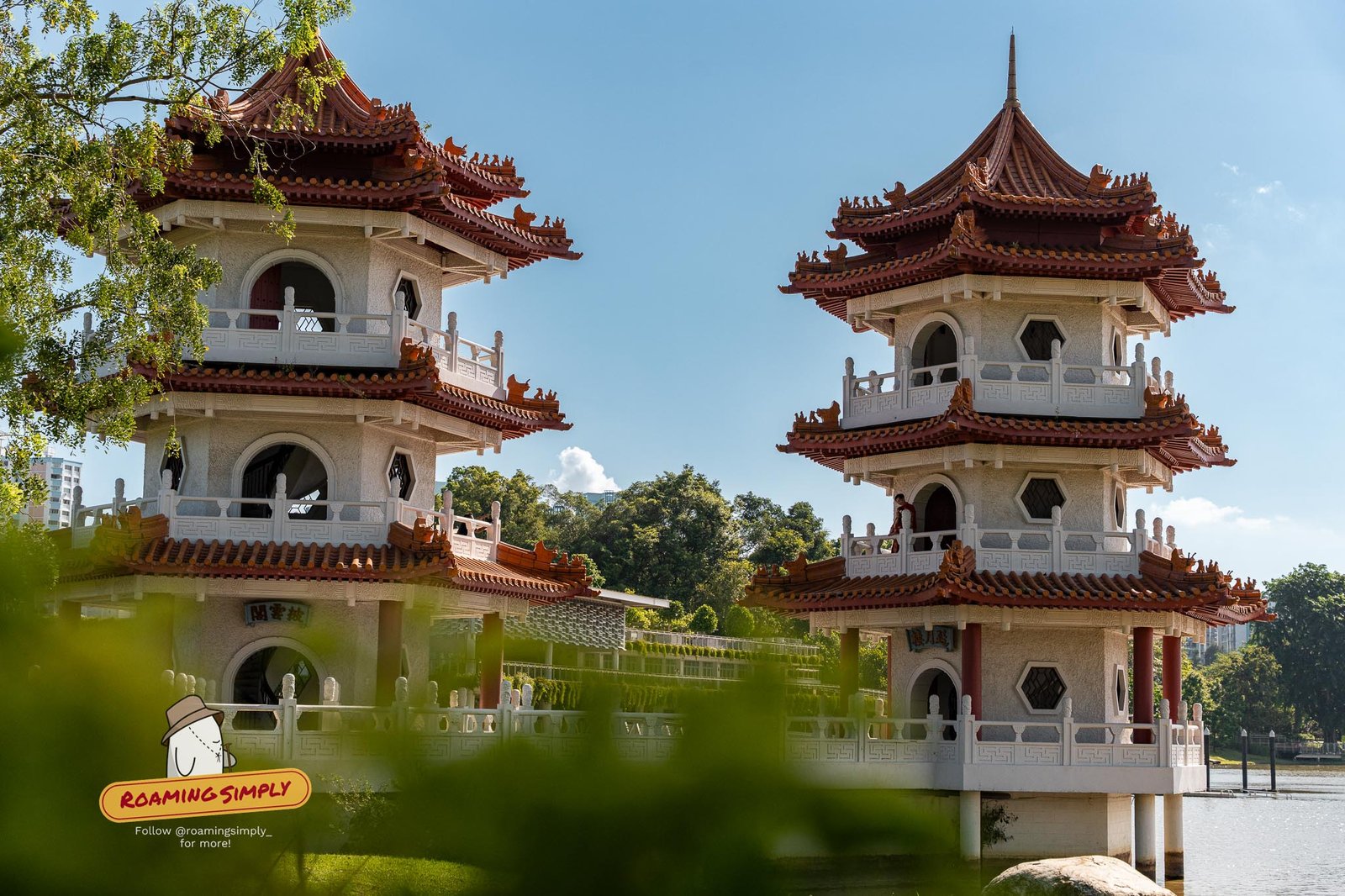
The seven-storey Cloud Pagoda rises above the rest of the garden, with 12 Chinese zodiac stone statues around it. On our visit you could not go up it. Only the Twin Pagodas were open to climb.
The Bonsai Garden
The Bonsai Garden is built in the Suzhou style and has shown miniature landscapes since 1992. A stone arch bridge crosses its pond.
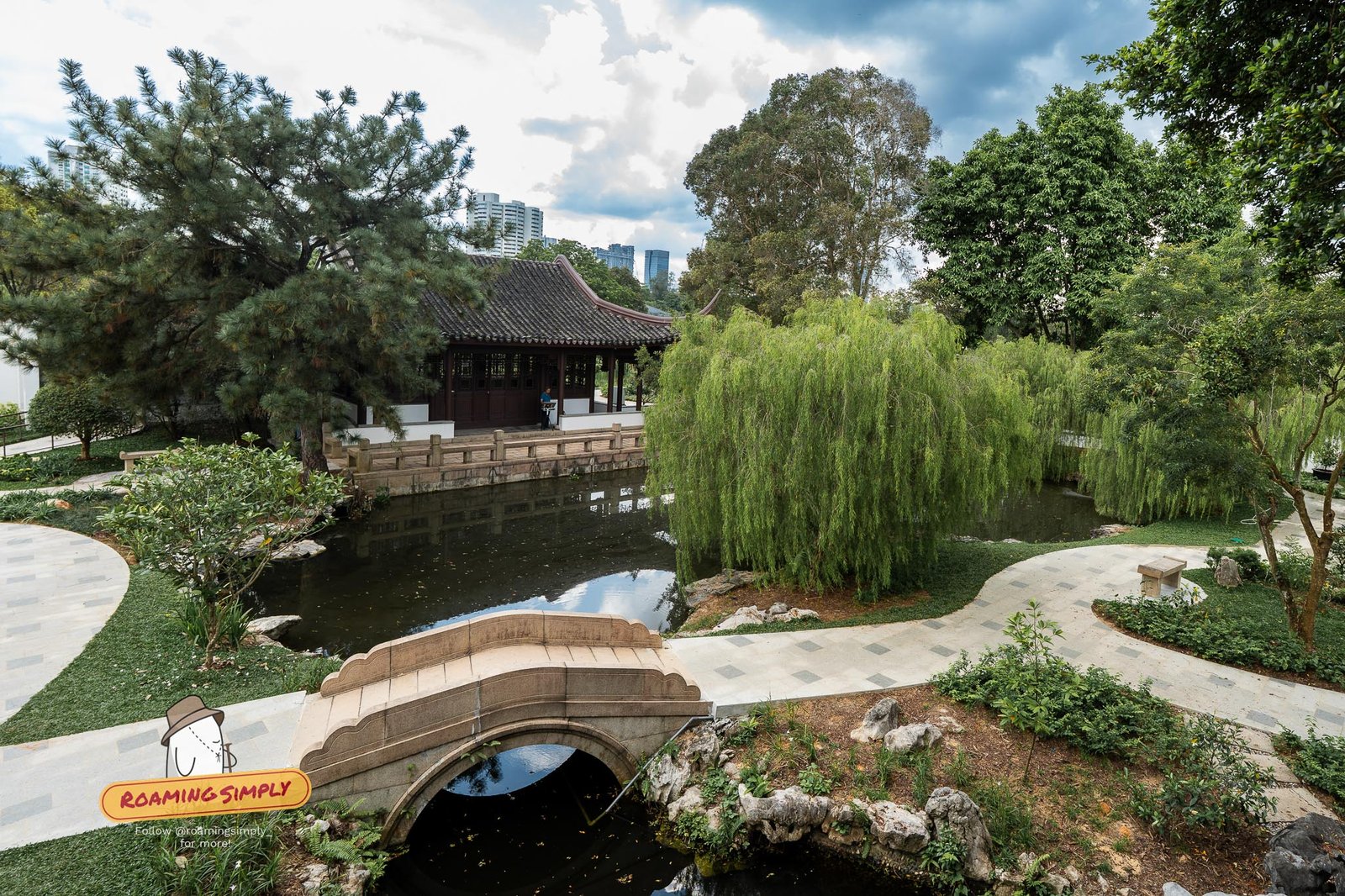
The Bonsai Gallery keeps its own hours: Tuesday to Sunday and public holidays, 9am to 7pm. It is closed on Mondays. When Monday is a public holiday, it closes on the Tuesday instead.
Bamboo Grove and Waterfall
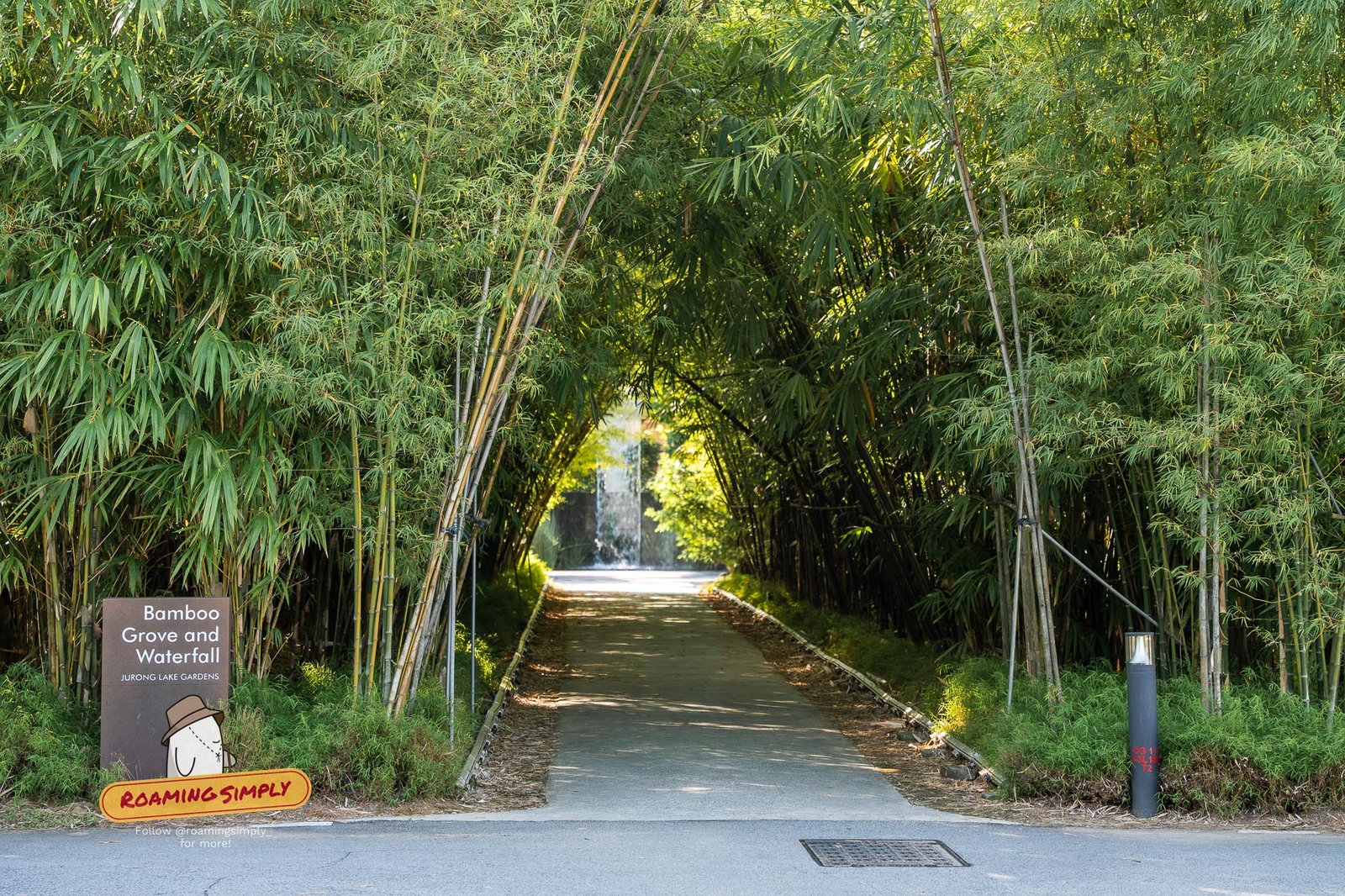
At the Bamboo Grove and Waterfall, tall bamboo arches over the path. It reminded us of the bamboo grove at Arashiyama in Kyoto, and it is a strong spot for photos. In traditional Chinese culture, bamboo stands for moral integrity, resilience and elegance.
The Japanese Garden
The Japanese Garden is connected to the Chinese Garden, and it was renovated at the same time. Where the Chinese Garden is grand, this one is calm.
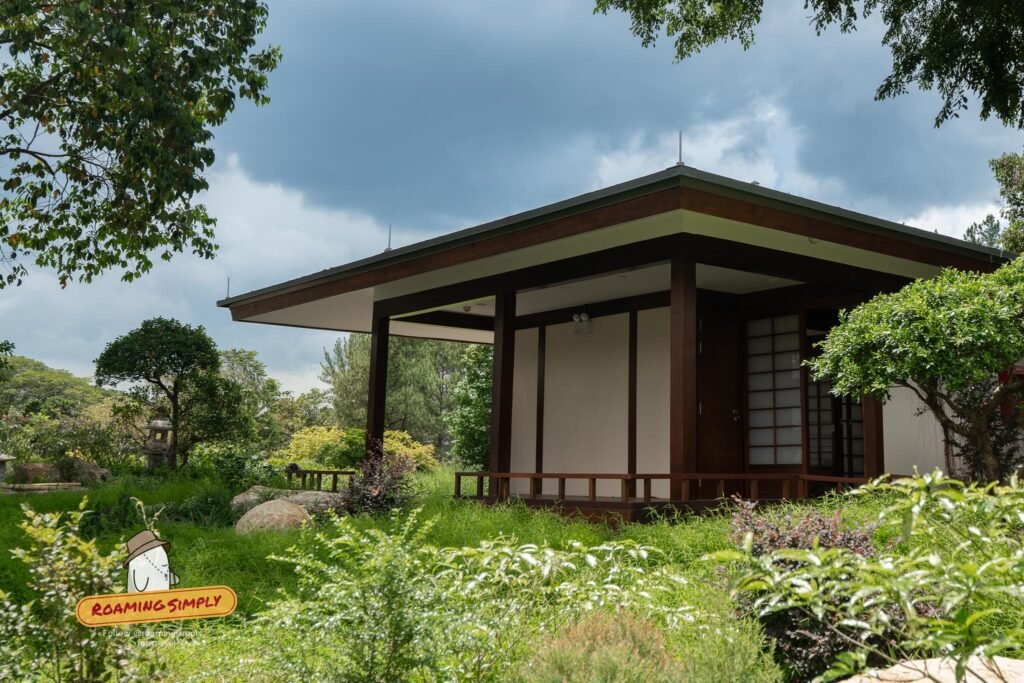
At its heart sits the Resthouse, a low timber pavilion. From its deck you look over the Japanese Garden pond on one side, and the Freshwater Forest and Jurong Lake on the other. Around it are rock gardens, small waterfalls and arched bridges. Sit on a bench here and listen to the water.
The Sunken Garden
The Sunken Garden is our favourite stop in the Japanese Garden. You walk down a brick path between walls of ferns towards a round pool, with plants hanging over it from an opening in the roof. To us it looked like a scene from Jurassic Park.
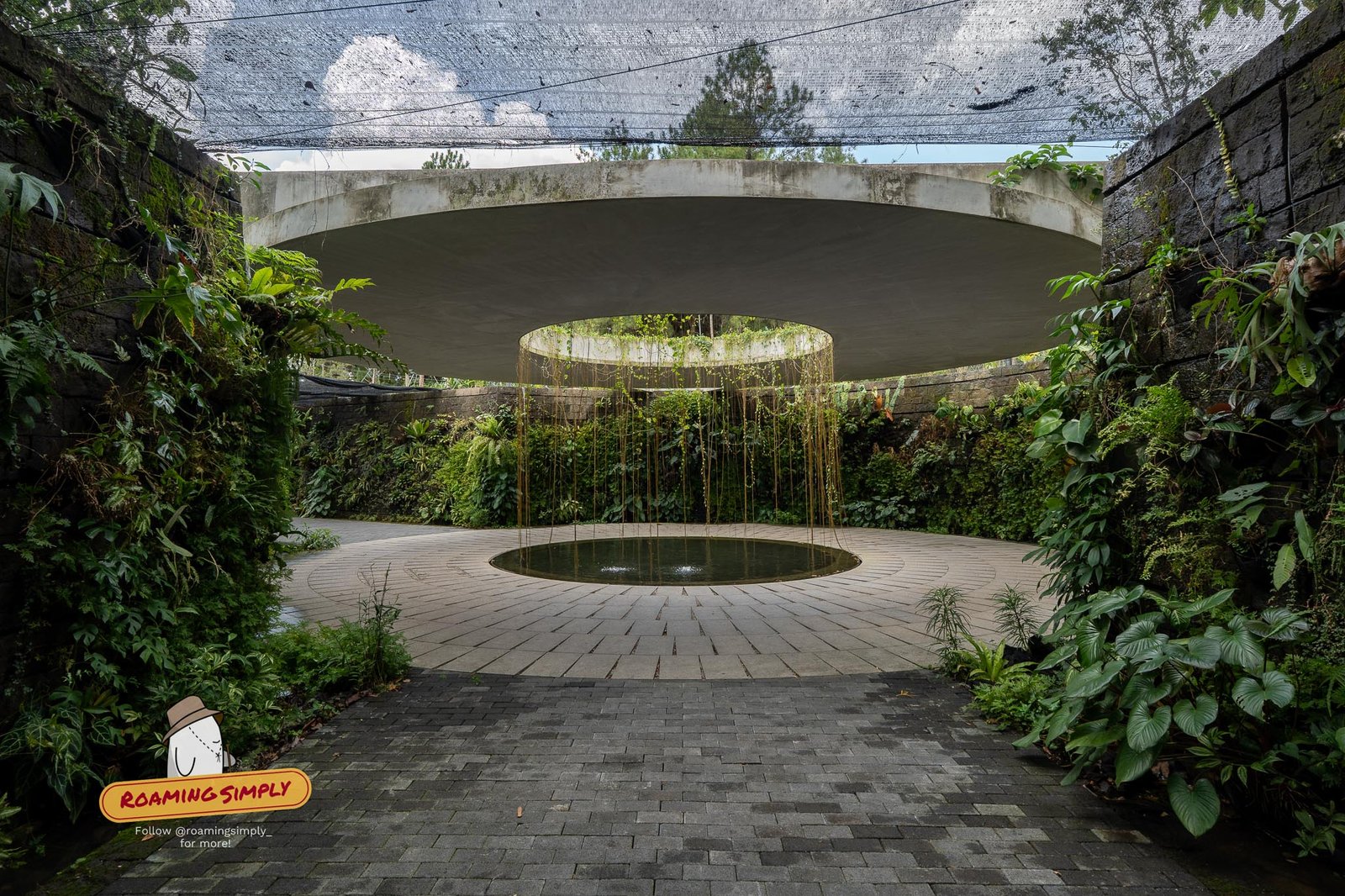
The pool was inspired by a cenote, and it doubles as a rainwater harvesting system. More than 200 species of epiphytes grow in the garden, including orchids, ferns and bromeliads. It is a cooler place to stand on a hot day.
Ice Cream Man and Friends, an ice cream café, is at the Sunken Garden, and we stopped here for ice cream. It opens from 11am to 10pm on weekdays, and from 8am to 10pm on weekends and public holidays.
Wildlife Around the Lake
Keep an eye on the grass and the water as you walk. On our visit an Asian openbill stork was foraging on a lawn.
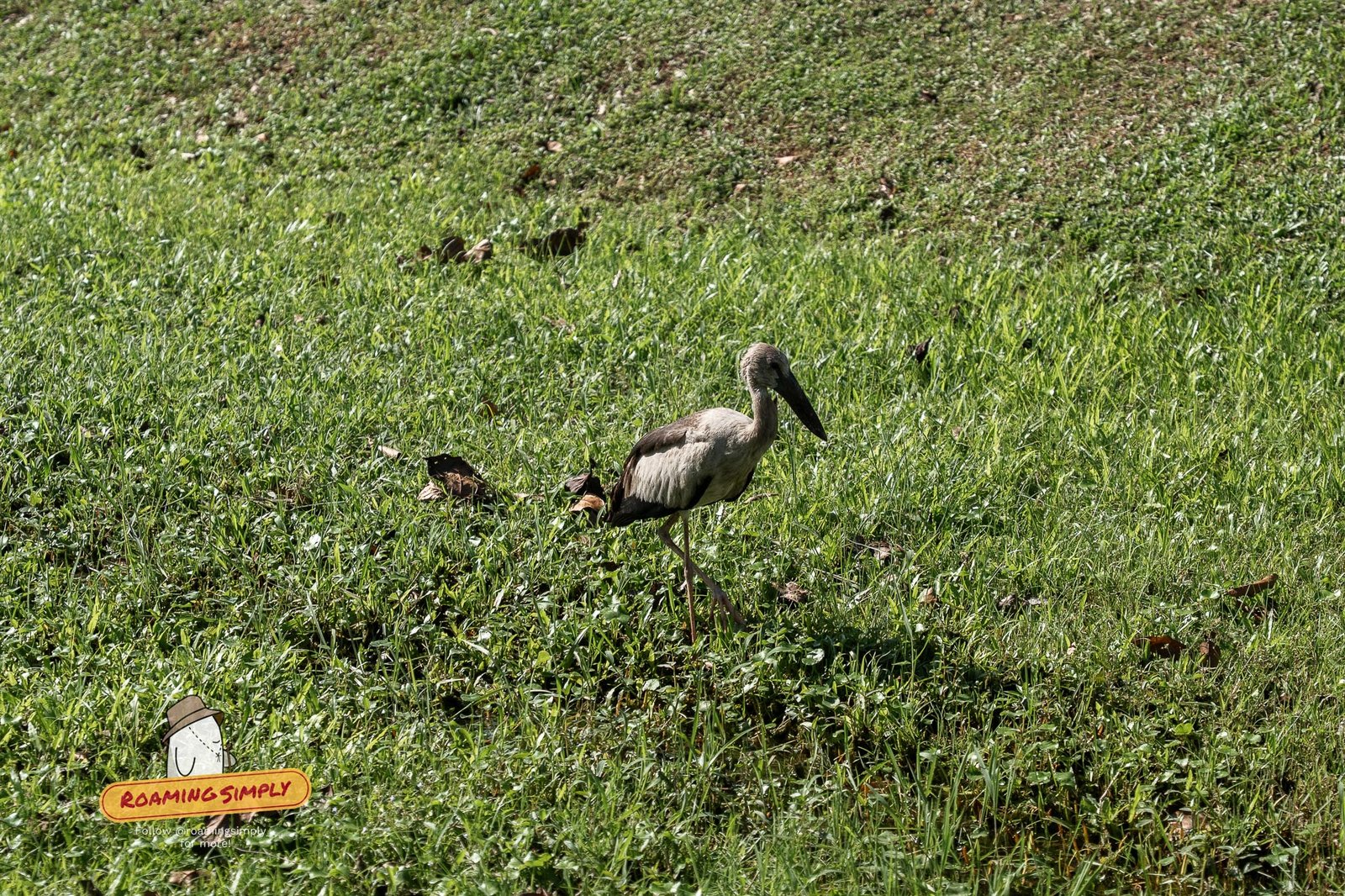
A family of about 15 to 16 smooth-coated otters frequents the waters of the gardens, and you can usually spot a few Malayan water monitors. More than 10 species of heron have been recorded here. The tallest is the Grey Heron, with a wingspan of two metres. Feeding the animals is prohibited.
The lake itself is part of the design. At the north of the gardens are the floating wetlands, the largest man-made floating wetland in Singapore. They help maintain the water quality in the reservoir and give wildlife a habitat. A boardwalk runs alongside.
Getting to Jurong Lake Gardens
Take the East-West Line to Chinese Garden MRT (EW25). It is the station we recommend for a first visit, and you enter over the Chinese Garden Bridge. From Lakeside MRT (EW26), you enter at Lakeside Plaza, which puts you in Lakeside Garden. Jurong East MRT (NS1/EW24) leads to the Japanese Garden Bridge. It is the longest walk of the three.
Buses stop on three sides. Services 180 and 335 run along Boon Lay Way, services 49, 154, 240 and 246 along Yuan Ching Road, and services 66, 178, 198 and 335 along Jurong Town Hall Road. If you drive, the North Carpark is off Chinese Garden Road and the South Carpark is off Japanese Garden Road.
Inside, a free garden shuttle is on trial between the two car parks, with stops that include Pagoda Plaza and the Water Lily Pavilion. It runs every day, from 9am to 12pm and again from 4pm to 7pm, about every 30 minutes. We did not use it on our visit. You can borrow a wheelchair at no charge from the information counters at the Entrance Pavilion, Pagoda Plaza and the Water Lily Pavilion, which are open from 8.30am to 6.30pm every day.
When to Go and What to Bring
Go early in the morning, from 7am, or late in the afternoon, after 4pm. You avoid the midday heat and get golden hour light. We find parks more crowded on Sundays, so we would pick another day.
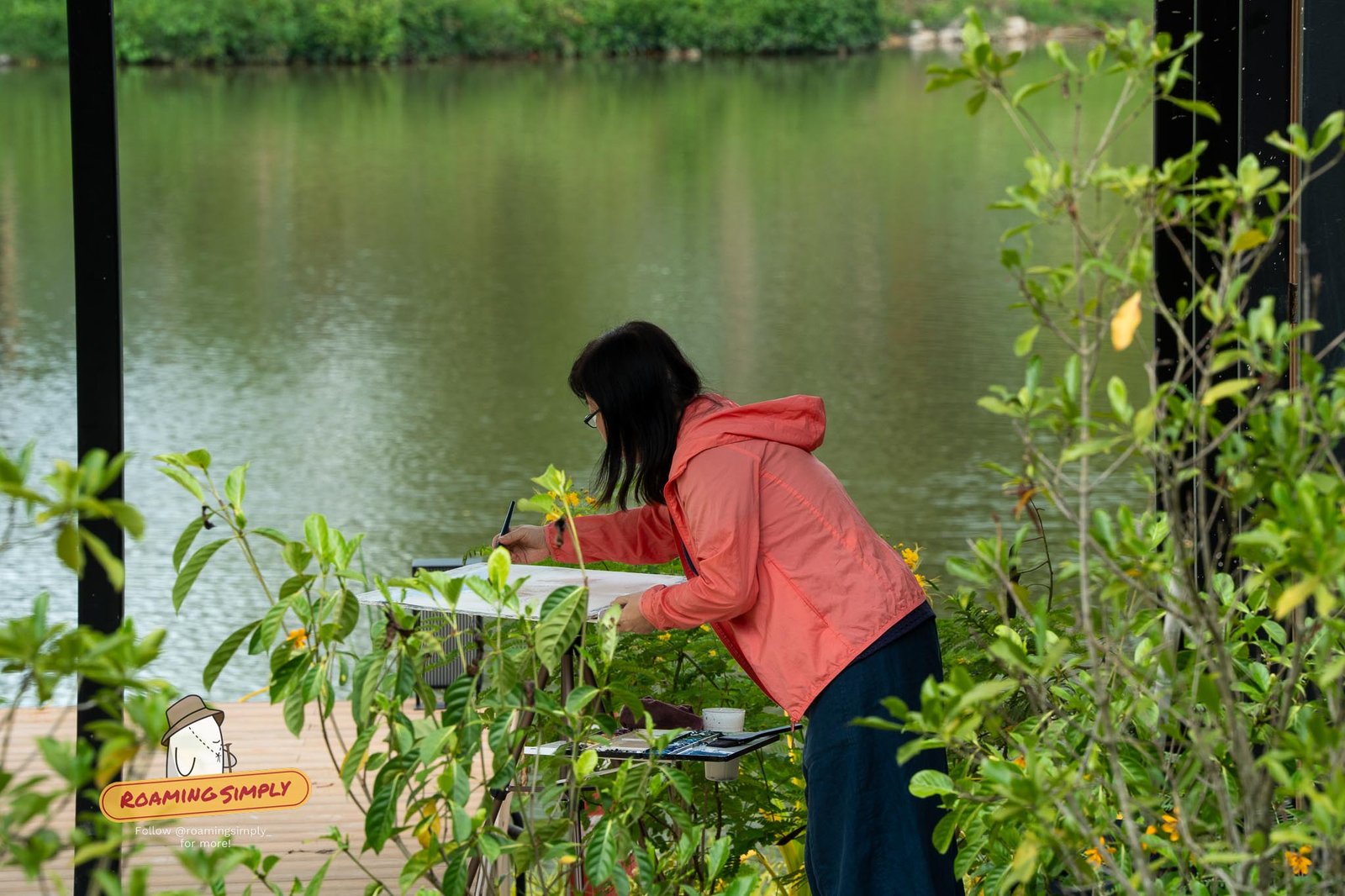
The heat is intense in the middle of the day, and the gardens are large. Come prepared.
What to pack
- Comfortable shoes. You will walk a lot.
- A water bottle. You can refill it at the water points around the gardens, usually beside the toilets.
- Sunscreen and a hat. The sun is strongest between 11am and 4pm.
- An umbrella or poncho, in case of a sudden downpour.
- A camera.
- Insect repellent, especially if you plan to stay until the evening.
Do These as a Pair
The Chinese Garden, then the Japanese Garden. The two are connected, so walk them in one go and finish at the Sunken Garden with an ice cream. For gardens closer to the city, read our Botanic Gardens photo spots guide.
The Verdict: Is Jurong Lake Gardens Worth It?
Give Jurong Lake Gardens half a day, if you have one to spare.
To us it is one of the most beautifully designed green spaces in Singapore. Be honest with yourself about why you are going and how much time you have.
On a short trip of three to five days, the journey out west is a real commitment. Central Singapore already gives you the Botanic Gardens, Fort Canning and Gardens by the Bay. This is also a garden for nature, calm and photography. If you want to understand Singapore’s story, you will find richer history elsewhere.
For a repeat visitor, a photographer after quieter compositions, or anyone who wants to see how Singaporeans spend a weekend, the trip is worth it. On a stay of three to seven days with half a day to spare, it is a change of pace from the city. With only an hour or two, keep to the Chinese and Japanese Gardens. They were renovated more recently, and the highlights sit close together. We walked all three gardens ourselves. For the opening hours and transport details we have relied on NParks.
Pack walking shoes and a water bottle, and take the MRT west.
Your Guide to Visiting Jurong Lake Gardens
Address50 Yuan Ching Road, Singapore 618661
Phone1800 471 7300 (NParks enquiries)
Opening hoursLakeside Garden: open 24 hours. Chinese and Japanese Gardens: daily, 5.30am to midnight. Twin Pagodas: daily, 7am to 10pm. Bonsai Gallery: Tuesday to Sunday and public holidays, 9am to 7pm. Checked October 2026 at juronglakegardens.nparks.gov.sg
AdmissionFree
Nearest MRTChinese Garden (EW25) or Lakeside (EW26)
Website and social
Photographs by RoamingSimply.
More places to explore in Singapore
Verified on site, with opening hours checked.
 Explore, Featured, Parks & nature, Singapore
Botanic Gardens Singapore: My Favourite Photo Spots
 Explore, Featured, Heritage sites, Singapore
Heritage Museum and CDL Green Gallery at Singapore Botanic Gardens: A Quiet Cultural Stop Worth Visiting
 Explore, Parks & nature, Singapore
National Orchid Garden Singapore: What to See and Why It’s Worth It
 Explore, Featured, Heritage sites, Parks & nature, Singapore
Fort Canning Park Guide: History & The Tree Tunnel
 Explore, Featured, Heritage sites, Singapore
A Guide to the Fort Siloso: History, Views & Tips
 Explore, Featured, Parks & nature, Singapore
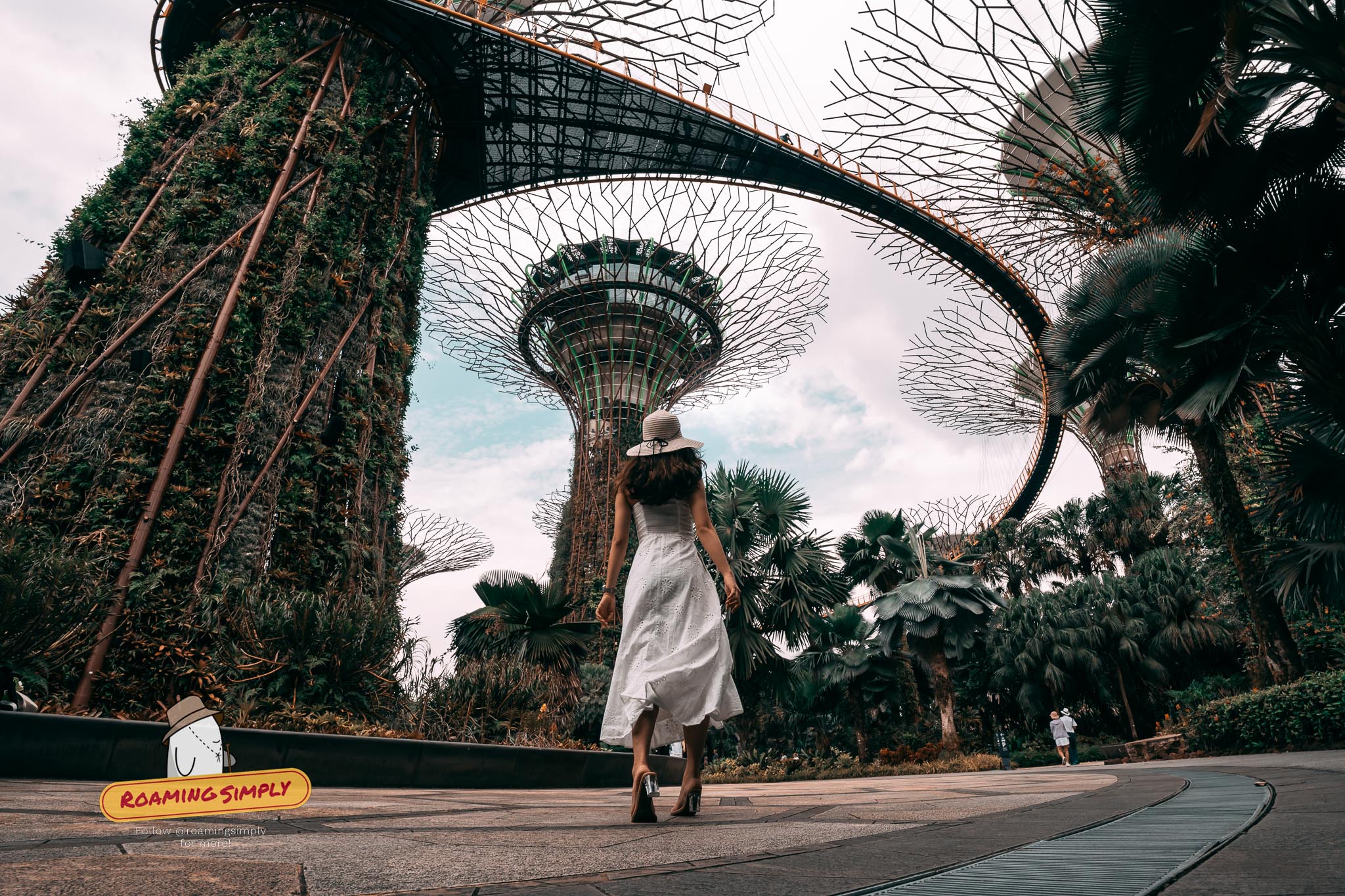
Gardens by the Bay Singapore: What Is Free and What to Pay For
 Explore, Heritage sites, Singapore
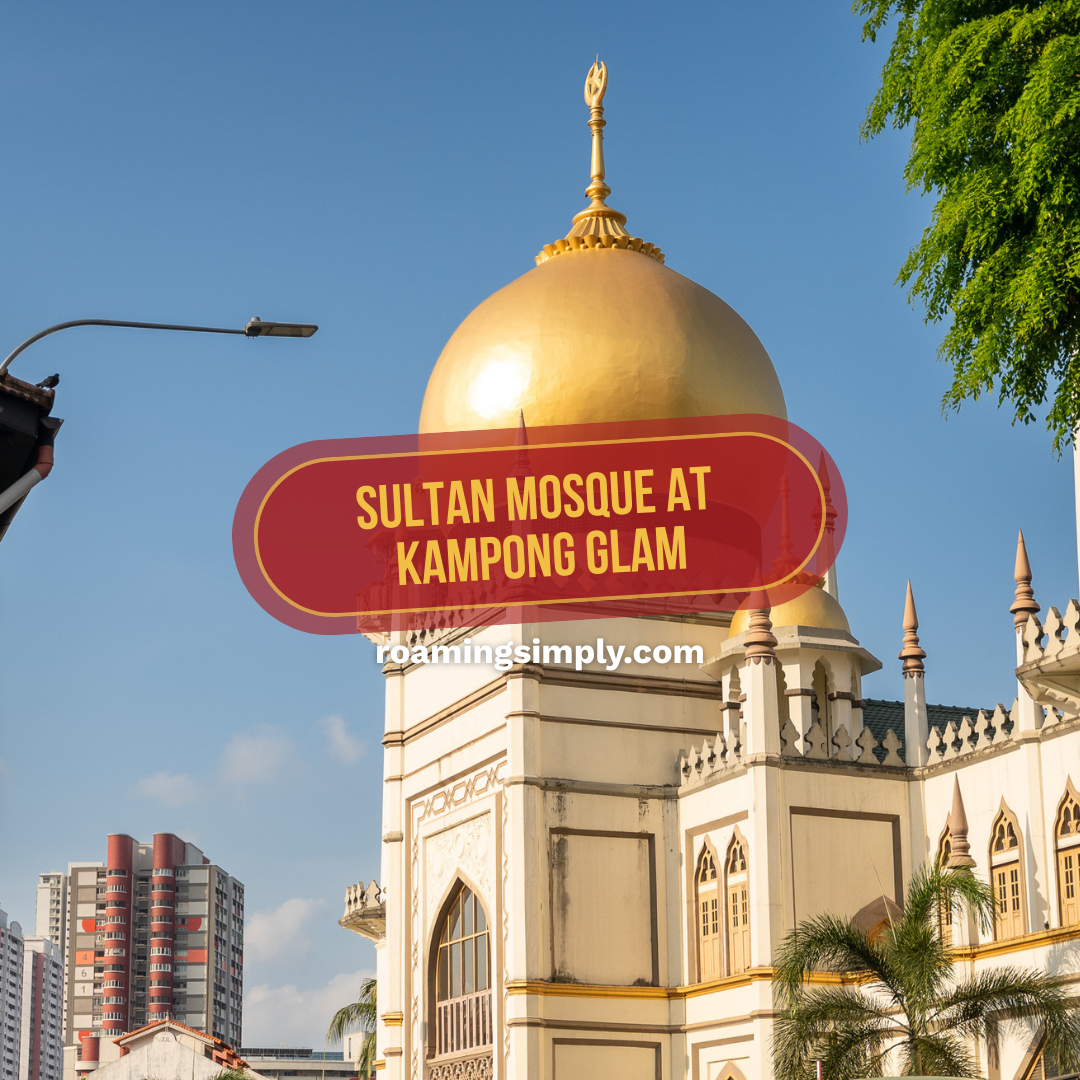
Sultan Mosque: Discover the Heart of Kampong Glam
 Explore, Featured, Heritage sites, Singapore